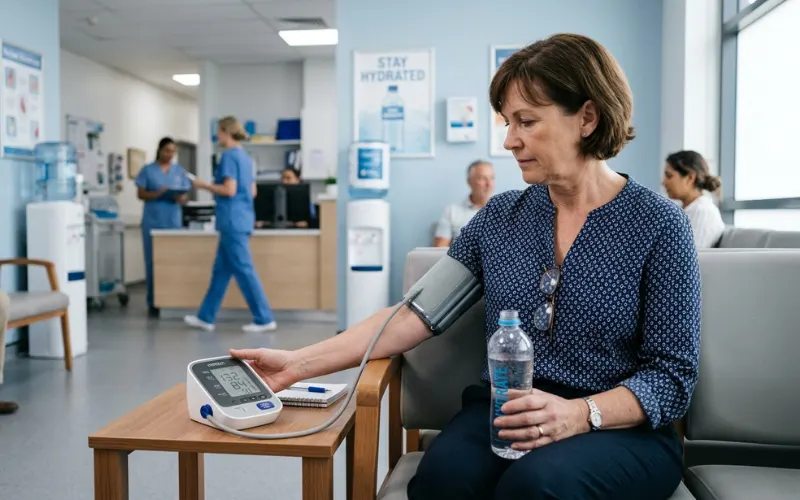
When an individual is taken in, but not replaced, for long periods of time, it compromises the body’s ability to function normally, known as dehydration. Water is a critical component of the blood, temperature regulation and transport of nutrients to the body. The body responds to a drop in fluid levels in this way, in order to safeguard vital organs, and one of these reactions may impact blood pressure. People think that only dehydration leads to low blood pressure but in some cases, it can also cause hypertension to the blood pressure.
Blood pressure is the pressure of blood against the walls of the vessels. This pressure is tightly regulated by the body so that normal organ functions are enabled to receive sufficient oxygen and nutrients. It becomes difficult to pass on the water when you have dehydration, too many water molecules are being pulled out of your bloodstream and thicker, concentrated blood is left behind.
That makes the heart have to work harder to pump blood around the body and can cause greater pressure in the arteries. Dehydration-related hormonal changes can also constrict blood vessels, and may drive blood pressure up even higher.
How the Body Responds to Dehydration
The human body has its own defense against large water deficits. As the body begins to dehydrate some hormones (aldosterone, vasopressin) get into the blood stream. These hormones act in the body to help hold on to water, decrease urination and conserve sodium. This is a process vital for survival, but it might also cause constriction of blood vessels (it is called vasoconstriction) and cause an increase in blood pressure for a short time.
Dehydration can also trigger the “fight or flight” response of the fight-or-flight response system, also known as the sympathetic nervous system of the body. This response raises heart rate and constricts blood vessels to be even better pumped. Some people may have high blood pressure, dizziness, headaches or a fast heartbeat as a result. If dehydration is not treated for long, the symptoms may further exacerbate.
Signs and Symptoms of Dehydration-Related High Blood Pressure

Early detection because, sometimes the symptoms of dehydration are indistinguishable from blood pressure symptoms. Dry mouth, fatigue, dark yellow urine, muscle cramps and extreme thirst are some of the common signs of dehydration. Others may also experience brain confusion, weakness, or decreased concentration as a result of low body fluids.
If dehydration is a factor in high blood pressure, other symptoms might occur. These may be headaches, chest pain, breathlessness and even flushing of the skin. High blood pressure can rise to an abnormal level during hot weather or other illness-induced states of fluid loss, leading to a person who already has high blood pressure to experience unusually high readings. It may therefore be crucial to keep hydrated and to track this is an important aspect of the general care of cardiovascular health.
Risk Factors That Increase the Problem

Dehydration-related high blood pressure can happen more easily if there are several factors contributing to the dehydration. A few people are more susceptible, as a result of medications they take, lifestyle factors, existing health conditions, or age. Awareness of these risk factors can lead to preventative measures in order to keep people well hydrated and maintain stable blood pressure.
- Older Aged Person: Elderly can be more susceptible as they have a decreased thirst mechanism and are more susceptible to dehydration.
- Certain medications: Diuretics, certain blood pressure medications can cause fluid loss, which can increase a person’s risk for dehydration.
- Physical Activity and Heat Exposure: People in physical activities (or in hot environments) are losing fluid through perspiration.
- Medical Conditions: Some diseases or drugs, such as diabetes, kidney disease and other gastrointestinal diseases may result in excessive fluid loss.
- Illness-Related Fluid Loss: Well documented examples of this are excessive sweating, vomiting and diarrhea and fever: during these times, the body loses water at a faster rate and prevents regulation of blood pressure.
Chronic hypertensive patients should be especially wary, as dehydration will make hypertension ever more difficult to manage and increase the strain of blood vessels and heart. Conducting proper hydration and early intervention of these risk factors can develop better heart health.
Can Drinking Water Lower Blood Pressure?

Drinking water can help to keep blood pressure in check, improve blood flow and keep blood volumes within normal limits. When the body is well hydrated, the heart does not need to pulser as much for the blood to flow through the body. Proper hydration levels also help to keep blood vessels relaxed, which in turn support healthy kidney function and which will help to stabilize blood pressure.
But, water won’t cure high blood pressure. There are several factors that can lead to chronic hypertension, such as: genetics, obesity, poor eating habits, stress and lack of exercising. Of course, those who have continued high blood pressure should always follow their physician’s advice, maintain a healthy lifestyle and take the proper medications however, drinking enough water will help to keep cardiovascular health up. Enough hydration is one of the factors of a blood pressure control plan.
Preventing Dehydration and Protecting Heart Health

Staying hydrated is the first step to preventing dehydration, and requires periodic drink consumption throughout the day. Water consumption before, during in-between, after exercise and before, during and after meals for children without watering needs (thirst) are recommended. Water use will depend on variables like age, activity level and health and weather conditions. Fruits and vegetables are also hydrating foods, and can help keep hydrating levels healthy.
Avoiding, or limiting too much intake of, caffeine and alcohol will help eliminate the concern for dehydration that some people may have when drinking excessive amounts. It is particularly crucial to replace fluids that are lost during exercise and especially in hot weather. Any individuals with hypertension also need to be check out their sodium because the high sodium diet may worsen hypertension. Utilizing appropriate hydration along with a well-rounded diet, exercise, and routine medical examinations can have a dramatic long term heart health benefit.
When to Seek Medical Attention

The majority of dehydrations can be resolved with fluid but more severe dehydrations require emergency medical care. Watch for these symptoms: High blood pressure, confusion, rapid breathing, turning lightheaded/fainting or not urinating. Major dehydration puts great strain on the circulatory system, and may lead to considerable complications if not treated.
People that experience occasional BP changes when low on fluid should seek their health care’s advice. Your doctor will determine what caused more dehydration, and will evaluate any medications you’re on and advise you about a proper water balance. Hydration and blood pressure assessments can help decrease the chance of complications, and improve health overall, for people especially who are at risk for developing hypertension or heart disease.
Conclusion
Yes, dehydration can be a possible culprit of high blood pressure at times. If the body is not getting enough fluid, it will not be able to circulate and will cause the hormonal and circulatory changes that may raise the pressure in arteries. Although not all the time dehydration raises hypertension, the cardiovascular system might be overstressed as well as the blood stress may be elevated when already unhealthy, and dehydration will increase blood strain as well if it’s already above its typical limit.
Maintaining a healthful blood pressure is important in staying hydrated. This risk can be reduced and cardiovascular function enhanced by increasing water consumption, knowing the signs and symptoms of dehydration and a healthy lifestyle. However people are still suffering from their blood pressure, they will need a small amount of medical advising which comes with blood pressure drugs.
Read Next: A Quick Guide To Hormonal Changes & Mental Health for Women
