
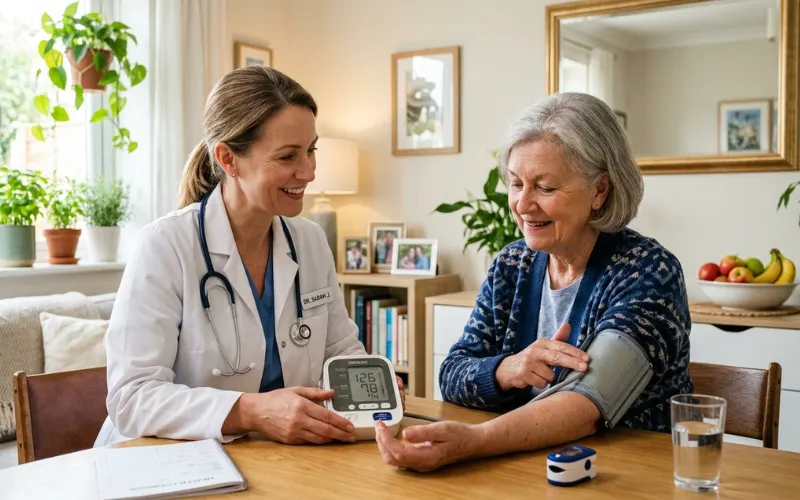
I tell my patients something that usually surprises them: you can learn a surprising amount about your health with nothing more than a clock, a mirror, and two fingers on your wrist.
That’s not a replacement for lab work or a proper physical. But between annual checkups, these simple health check methods catch things early. I’ve had patients come in because a home pulse check felt off, and it turned out to be atrial fibrillation. Another noticed a mole changing shape and came in before it became something worse.
Most of these take less than two minutes. A few you can do right now while reading this.
Quick Answer
The most useful simple health check methods you can do at home include measuring your resting heart rate, monitoring blood pressure, performing the sit-to-stand test for leg strength, checking capillary refill for circulation, using the ABCDE rule for suspicious moles, and monitoring urine color for hydration. Most require no equipment. These checks don’t replace professional medical exams but help you catch warning signs early between doctor visits.
The Checks That Actually Matter
1. Resting Heart Rate
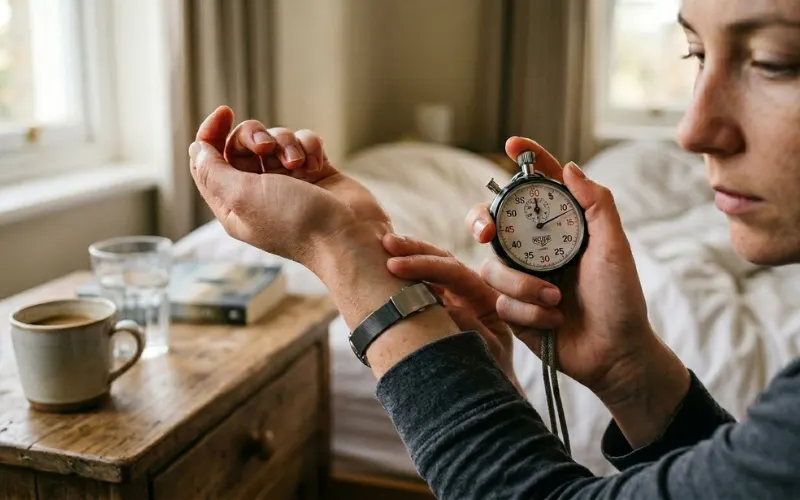
Two fingers (index and middle, not your thumb) on the inside of your wrist, just below the base of your thumb. Count the beats for 60 seconds. Do it first thing in the morning before getting out of bed.
Normal resting range is 60 to 100 bpm. Athletes and fit people often sit between 50 and 59. Above 100 at rest is worth bringing up with your doctor. Below 50 with dizziness or fatigue, see someone sooner.
My resting heart rate is measured once a week, on a Monday morning. Any sudden increase of 10 or more beats per minute above your normal heart rate may mean that you are stressed, feeling thirsty, getting sick or have an irregular rhythm of your heart. It’s one of those things that is very inexpensive, takes 60 seconds and can tell you something very valuable.
2. Blood Pressure
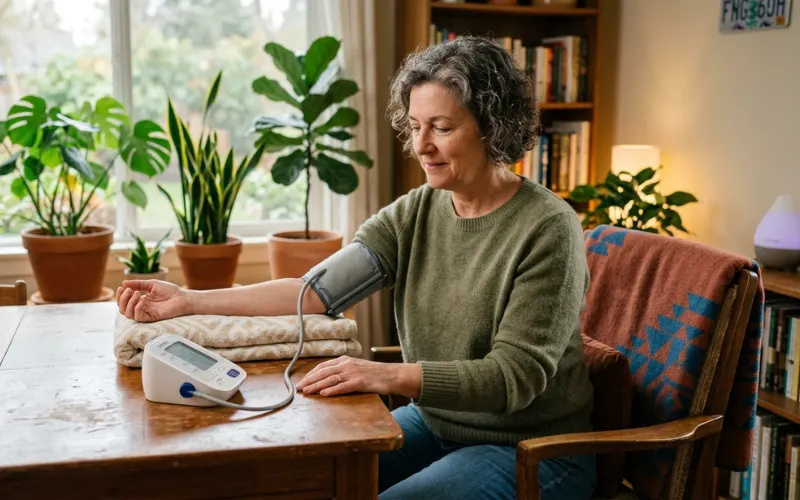
You need a home blood pressure monitor for this. They run $30 to $60 and they’re a smart purchase if you’re over 30 or have any family history of hypertension.
Sit quietly for five minutes first. Feet flat. Arm supported at heart level. Don’t talk during the reading. Normal is below 120 over 80. Elevated is 120 to 129 over less than 80. Stage 1 hypertension starts at 130 over 80. Anything above 180 over 120 is a crisis and you should call your doctor or go to the ER immediately.
One high reading doesn’t mean you have a problem. A pattern of high readings does. Take them at the same time each day and write the numbers down so you can show your doctor a trend, not a single data point.
3. The Sit-to-stand Test
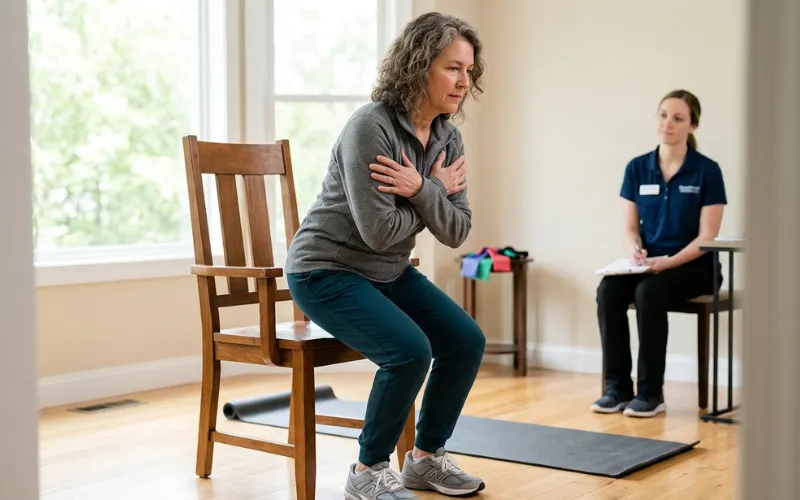
Sit in a regular dining chair. Cross your arms over your chest. Stand up and sit back down 10 times as fast as you can without using your hands. Time yourself.
Under 12 seconds is good lower body strength. Between 12 and 15 is average. Over 15 seconds may mean weak hip flexors, poor balance, or core instability. If you couldn’t finish 10 reps at all without bracing yourself on the chair arms, that’s a real signal to start working on leg strength. It matters more than most people think for long-term mobility, especially once you’re past 50.
4. Capillary Refill
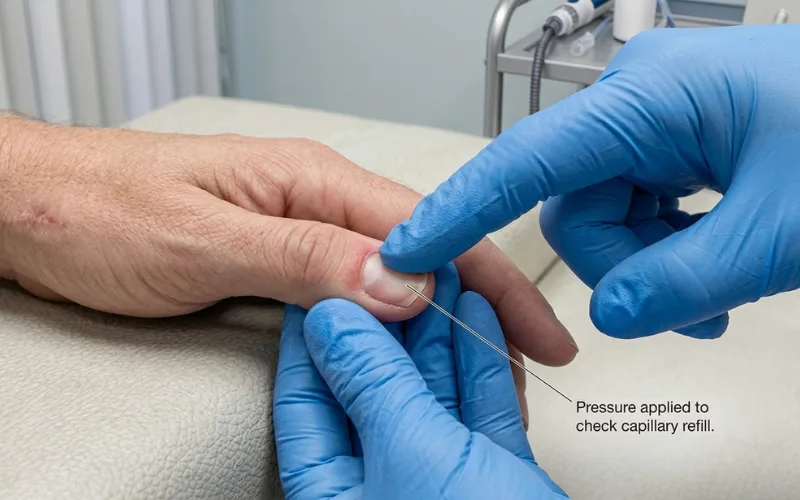
Press the pad of your fingernail firmly for about 5 seconds until it turns white. Release and count how quickly the pink color comes back.
Under 2 seconds means healthy circulation. Between 2 and 4 could mean mild dehydration or sluggish peripheral blood flow. Over 4 seconds is worth seeing a doctor about because it might indicate a circulation issue.
I teach this to every patient I see. Five seconds to do. No equipment. And it gives you a quick read on whether blood is getting where it needs to go.
5. The ABCDE Skin Check
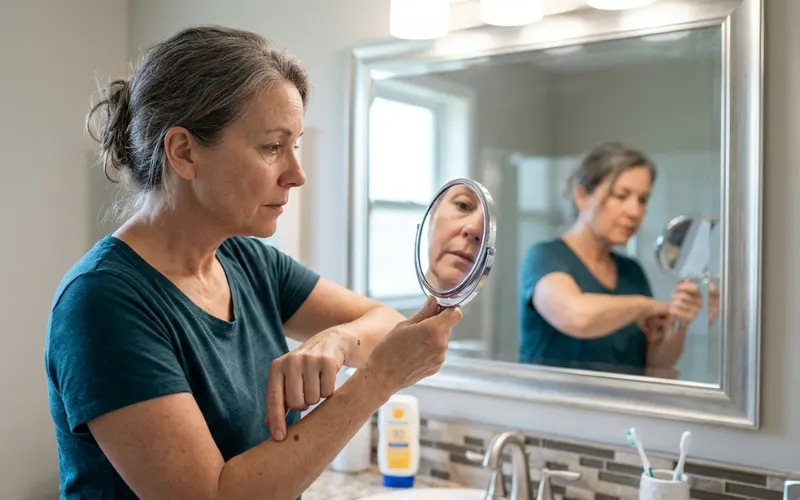
Check body for new or changes moles using a mirror once a month. These are the five things that you need to look for, and these are the letters that tell you.
A is for asymmetry, one half of the mole is different from the other. B is for border, and the edges are not smooth – they are ragged or blurry. C is for color—several brown, black, red or blue colors at a single location. D is for diameter, anything larger than a pencil eraser (about 6mm). E is for evolving, the spot has changed size, shape, or color recently.
Any one of those five is worth a dermatologist visit. Stable moles you’ve had for years are usually fine. The ones that change are what concern me.
6. Waist Circumference
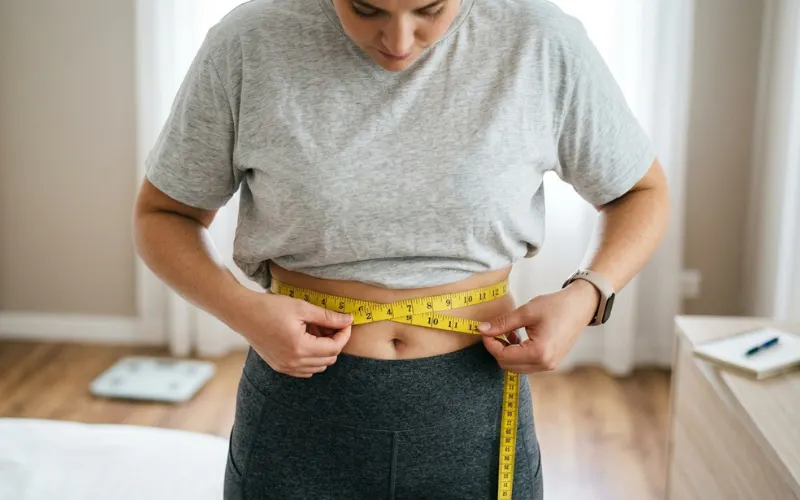
Wrap a tape measure around your waist at belly button level. Don’t suck in. Breathe normally and take the reading.
For men, anything above 40 inches (102 cm) puts you in higher metabolic risk territory. For women, it’s above 35 inches (88 cm). Waist measurement actually predicts metabolic disease risk better than BMI in a lot of cases because it captures visceral fat specifically, the kind packed around your organs that drives insulin resistance and inflammation.
7. Urine Color
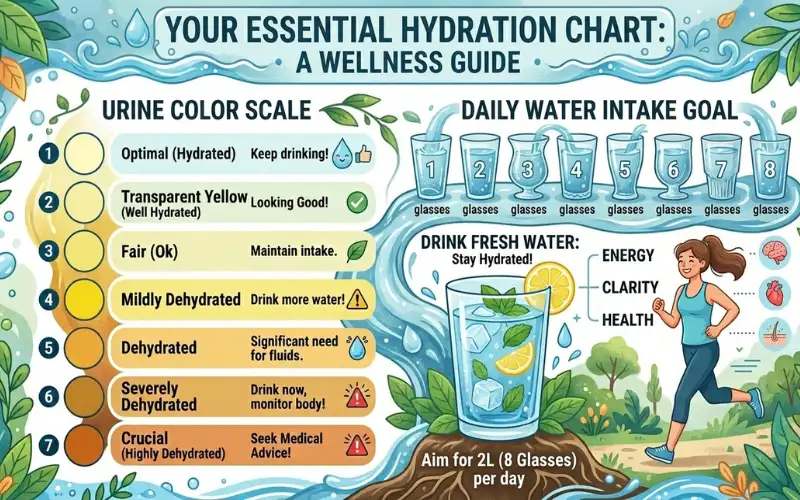
Glance down before you flush. I know nobody wants to hear that, but urine color is genuinely informative.
Pale yellow to clear means you’re well hydrated. Dark yellow means drink more water. Amber or honey colored indicates you are severely dehydrated. A pink or red color may be a sign of blood or beets – if you don’t have beets in your diet, consult a doctor. A brown or tea-colored tint may be an indication of a liver problem. If cloudy, this could signify a UTI.
Morning urine is always darker. That’s normal. But if it stays dark all day despite drinking water, something else might be going on.
8. Eye and Gum Check
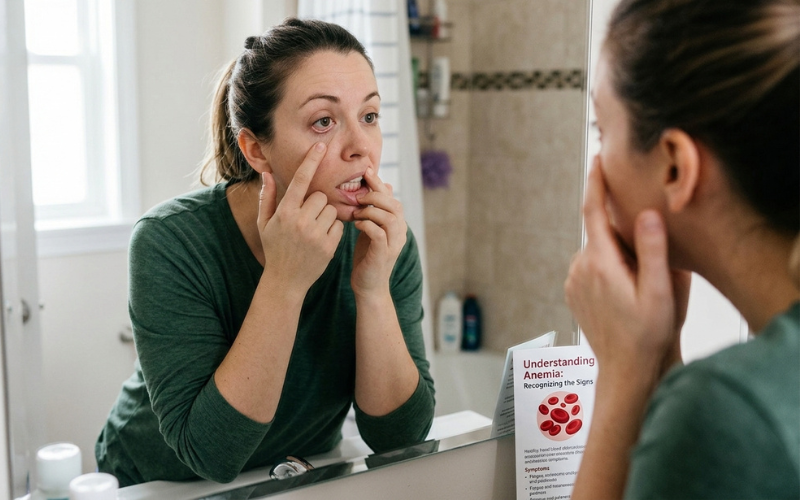
Look down in a mirror, with lower eyelid lowered. Inside should be a rich reddish pink. Repeat with your gums. A pale or whitish appearance in either can indicate iron deficiency or anemia.
Not a diagnosis on its own. It’s a signal to get bloodwork done. I use this as a quick screen during exams, especially with patients who mention being tired all the time, feeling cold constantly, or getting lightheaded when standing up.
9. Grip Strength
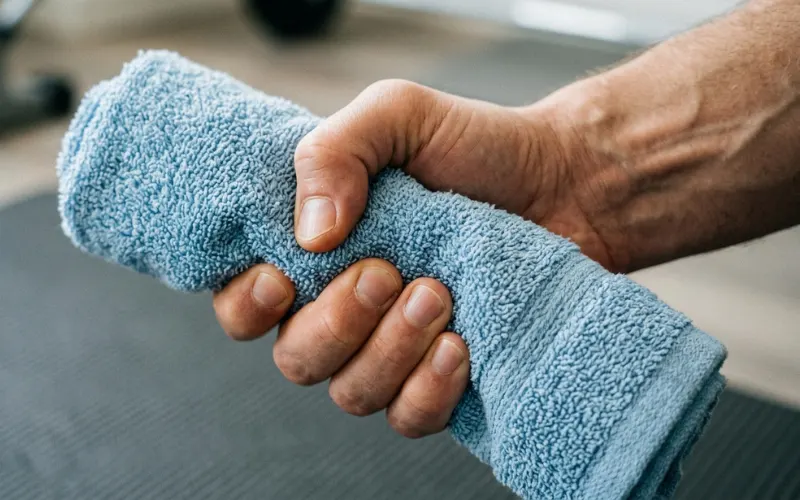
Roll up a towel and squeeze it as tightly as you can and squeeze for 10 seconds. Or, pay attention next time you shake hands firmly with someone.
It doesn’t sound like anything; doesn’t sound important. One of the most-vigorously researched overall health and mortality predictors in medical literature, however, is grip strength. Weak grip had been shown to be associated with an increase in cardiovascular risk and in the overall rate of death in a study published in The Lancet, Nature’s best medical journal. If there has been deterioration in your grip over the past 12 months or it’s become harder to open jars, discuss this with your doctor at your next appointment.
10. Oral Health Check
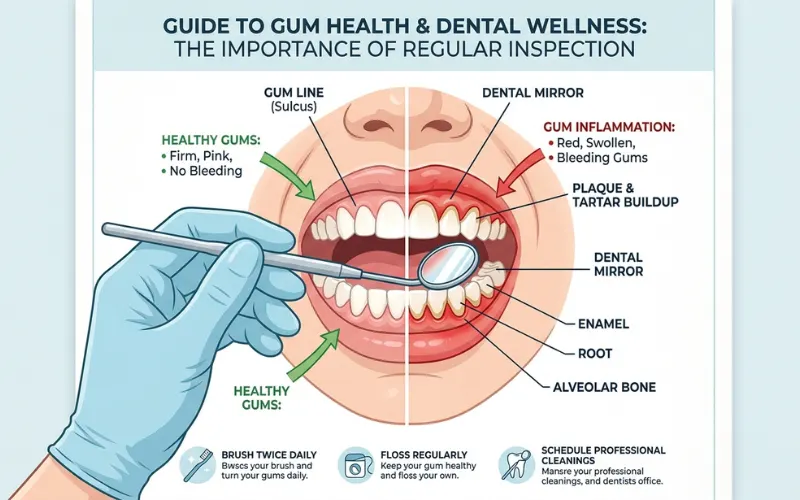
Place mouth in front of a mirror. Gingivitis can be indicated by their red, swollen, or bloodied gums. The white patches on the tongue or on the inside of the mouth could be a fungal infection. Sores that have not healed after two weeks should be cared for. Even if you brush, if the odor goes away, you may have a more serious condition.
The mouth-body connection is real. Bacteria from gum disease have been found in arterial plaque. Oral health isn’t separate from the rest of your health.
11. Sleep Quality

Four questions, answer honestly. If so, do you usually fall asleep within 15-20 minutes after sitting down in bed? Don’t wake up more than once from a dream? When your alarm goes off do you feel rested and both relaxed and rested? Do you need a cup of caffeine during the whole afternoon?
If you answered two or more, you may be suffering from reCAPTCHA fatigue which could be impacting your health in ways you are unaware of. Bad sleep causes inflammation, weight gain, mood swings and an abridged immune system. Your doctor will have something firm on which to work if you track your sleep patterns for one week–notebook (bedtime/wake time/waking up multiple times).
12. The Two-question Mental Health Screen

In the past 14 days, have you gotten down, depressed or hopeless? During the last 2 weeks, have you experienced little interest or enjoyment in activities you usually do?
That’s the PHQ-2. It’s a valid rating instrument and not something I have made up. You do not have depression if you answer with a “yes” to either. It indicates that it’s OK to discuss your emotions with someone.
I use the PHQ-2 with every patient during wellness visits. Mental health belongs in the same conversation as blood pressure and heart rate. It’s not a separate category of health. It’s health.
What Are the 5 Main Tests for a Full Body Checkup?
- When you go in for a professional checkup, these are the five tests most doctors order.
- Complete blood count, which checks your red cells, white cells, hemoglobin, and platelets. It catches anemia, infections, and blood disorders in one draw.
- Comprehensive metabolic panel, which measures blood sugar, electrolytes, kidney function, and liver enzymes. Fourteen markers from a single blood sample.
- Lipid panel for total cholesterol, LDL, HDL, and triglycerides. This is the heart disease risk test.
- Thyroid function (TSH) to check whether your thyroid is running too fast or too slow. Affects energy, weight, mood, and metabolism in ways people don’t always connect to the thyroid.
- And urinalysis, which screens for kidney problems, diabetes, urinary infections, and hydration status.
Those five together give a broad snapshot of your major systems. Most doctors recommend them annually after 30, or earlier if chronic disease runs in your family.
What Are the 5 Simple Health Tips?
- Five things every major health organization agrees on, and none of them cost money.
- Move for 30 minutes a day. Walking counts. Gardening counts. Just break up the sitting.
- Sleep 7 to 8 hours. Not 5 with a plan to “catch up on weekends.” That doesn’t work the way people think it does.
- Eat more whole foods than processed ones. You don’t need a perfect diet. Just shift the ratio.
- Stay hydrated. Most adults need 2 to 3 liters of water a day. More if you exercise or live somewhere hot.
- Get screened regularly. The home checks in this article catch problems between visits. Annual professional exams catch what home checks can’t.
What Are the 4 Types of Health Assessments?
- Self-assessment is what you do at home with the methods in this article. Pulse checks, skin scans, urine color. No professional required.
- Clinical assessment happens when a doctor examines you during a physical. Listening to your heart and lungs, checking reflexes, reviewing bloodwork.
- Screening assessment targets specific conditions based on your age, sex, and risk profile. Mammograms, colonoscopies, PSA tests, bone density scans.
- Health risk assessment is a questionnaire-based evaluation combining self-reported data, biometrics, and lab results to calculate your overall risk. Employers and insurance companies often offer these.
Everything in this article falls into category one. It’s meant to supplement the other three, not replace them.
What Are the 5 Key Health Indicators?
- Blood Pressure: Below 120 over 80 is optimal. Above 130 over 80 is hypertension territory.
- Resting Heart Rate: 60 to 100 bpm is the normal range. Lower usually means better cardiovascular fitness.
- BMI: 18.5 to 24.9 is considered normal, although BMI has real limitations for muscular people and doesn’t capture where fat is distributed.
- Fasting Blood Glucose: Below 100 mg/dL is normal. Between 100 and 125 is prediabetic. Above 126 is diabetic.
- Cholesterol: Total below 200, LDL below 100, HDL above 40 for men and 50 for women.
Four of those five you can track at home with basic equipment. Blood glucose needs a glucometer that costs $20 to $40. Cholesterol requires a lab. Everything else needs nothing you don’t already own.
When a Home Check Should Send You to a Doctor
Resting heart rate stuck above 100 or below 50 with symptoms like dizziness or chest tightness. Blood pressure readings above 180 over 120. A mole hitting two or more of the ABCDE criteria. Urine that stays brown, red, or cloudy for more than a day. Capillary refill consistently over 4 seconds. Sudden weight changes you can’t explain. Fatigue that sleep doesn’t fix. Any new lump you can feel through your skin.
Those aren’t “wait and see” findings. They’re “call your doctor this week” findings.
Read Next: The Smile Reset: What Dental Trends Say About Oral Health
