
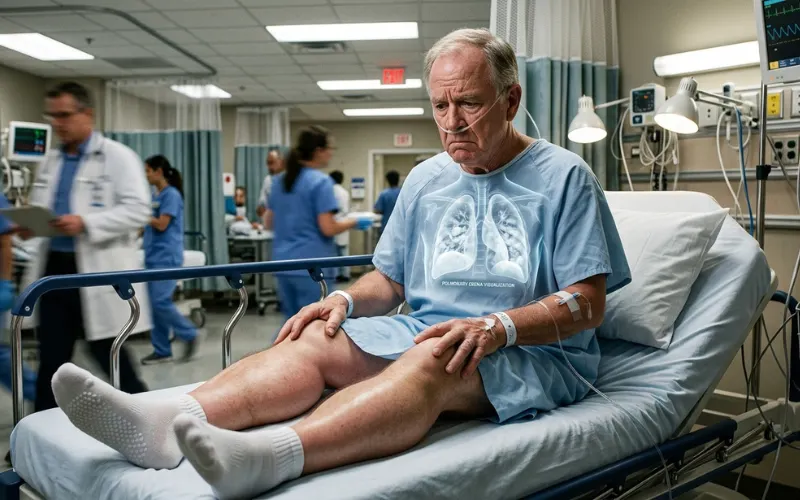
Quick answer: Edema on its own rarely kills. What’s causing it can. Fluid that builds up in the lungs or in the brain can turn fatal within hours, and persistent swelling in the legs is often the first visible clue that the heart, kidneys, or liver are starting to fail.
If you have new severe swelling along with shortness of breath, chest pain, sudden confusion, or pink frothy sputum, treat it as a medical emergency and call 911. The rest of this article explains why.
Can Edema Kill You? The Direct Answer
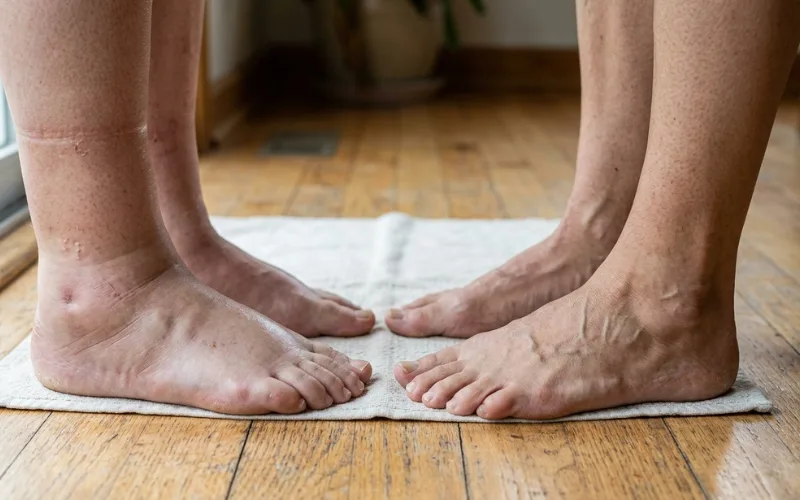
Not on its own, usually. Edema kills through what it sets off or what it represents.
Mild puffiness in the feet after a salty dinner or a long flight? Uncomfortable, but not dangerous. Both ankles slowly puffy over a year? Worth investigating, but rarely an emergency on its own. Sudden severe swelling with breathlessness, on the other hand, is a completely breathlessness. Now you’re looking at possible fluid in the lungs.
Mayo Clinic’s list of what untreated edema can lead to is not short. Painful swelling. Scar tissue building up between layers of skin. Circulation getting worse over time. Skin ulcers. Infections. Vessels and joints losing their stretch. Any of those can snowball.
So is the answer “yes, edema can kill you?” Yes. But the answer alone misses the point. The better question to be asking: what’s causing this, and how serious is it?
What Is Edema, and Why Does It Happen?
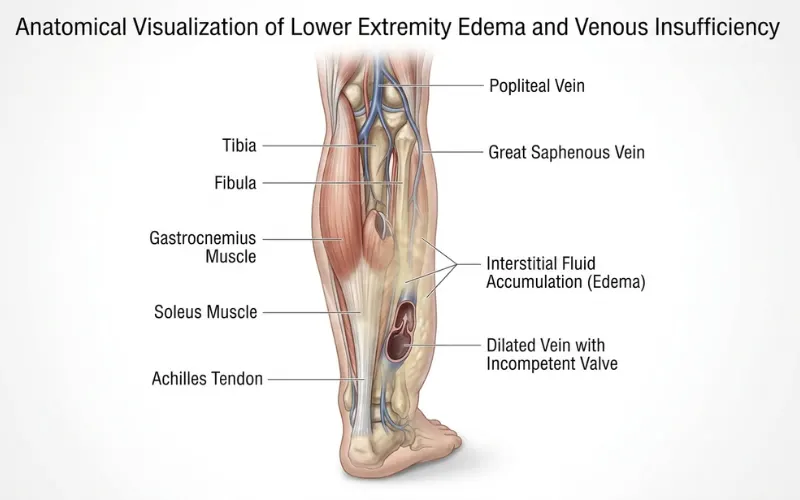
Edema (sometimes spelled oedema) is the medical word for swelling caused by extra fluid trapped in body tissues. Healthy capillaries leak a small amount of fluid into the surrounding tissue every day. The lymphatic system normally collects it and returns it to the bloodstream. When that balance falters, edema develops, either because too much fluid is leaking out or because not enough is being cleared.
Edema can show up almost anywhere. The legs, ankles, and feet get noticed first because gravity pulls fluid downward. It also appears in the hands, arms, abdomen (where it’s called ascites), face, lungs, and brain.
The mechanisms behind it vary:
- High pressure inside blood vessels, which is the main driver in heart failure and venous insufficiency
- Low protein in the blood, common with kidney disease and liver cirrhosis
- Damaged or blocked lymphatic vessels, which is what causes lymphedema
- Capillaries leaking more than they should during severe inflammation or allergic reactions
- The body holding onto sodium and water because of medications, hormones, or a salt-heavy diet
Cleveland Clinic puts it well. Edema is not a disease. It’s a sign. Treating the swelling without finding the cause is a bit like silencing a smoke alarm without checking for fire.
When Does Edema Become Life-Threatening?
Three forms of edema demand urgent attention because they can kill quickly.
1. Pulmonary Edema (Fluid in the Lungs)
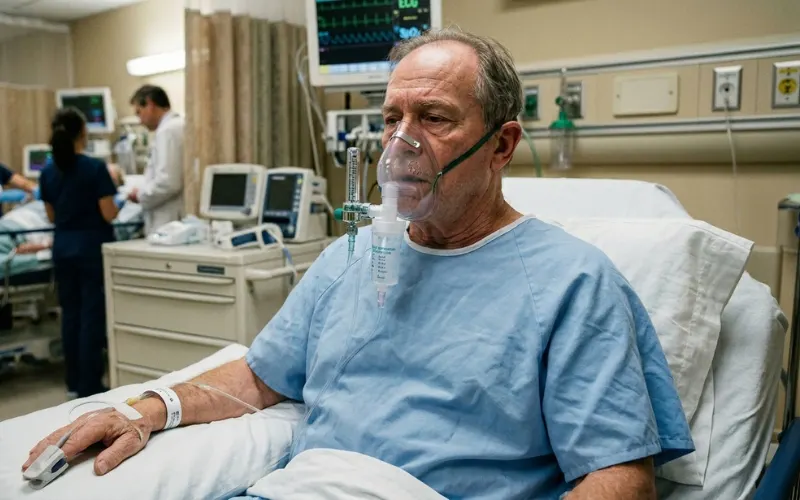
Pulmonary edema is the most acutely dangerous form. Fluid floods the air sacs of the lungs, the same air sacs that move oxygen into your blood. You start drowning from the inside.
Cardiogenic pulmonary edema, the type triggered by heart failure, is a medical emergency. Research published in journals such as Circulation and the European Heart Journal has reported in-hospital mortality between 10 and 20 percent for acute cardiogenic pulmonary edema, with one-year mortality climbing higher in older adults and in patients whose hearts pump weakly.
Watch for:
- Severe shortness of breath, especially when lying flat
- A drowning sensation, or feeling like you can’t catch your breath
- Wheezing or gasping
- Pink, frothy sputum (a classic giveaway)
- Cold, clammy skin
- A racing or irregular heartbeat
- Anxiety, or a feeling that something is very wrong
If any of these show up, call 911. This is not a “let’s see how I feel in the morning” situation. Pulmonary edema can also follow near-drownings, severe pneumonia, high-altitude exposure (HAPE), opioid overdose, and large blood transfusions.
2. Cerebral Edema (Brain Swelling)

The skull doesn’t expand. So when fluid builds up inside it, pressure rises fast and the brain has nowhere to go. Untreated cerebral edema can cause brain herniation, where brain tissue is squeezed through gaps in the skull. The result is permanent damage or death, sometimes within hours.
It can develop after a stroke, a traumatic brain injury, a brain tumor, an infection like encephalitis or meningitis, severe diabetic ketoacidosis, or high-altitude exposure (HACE). Warning signs include sudden severe headache, vomiting, confusion, vision changes, seizures, weakness on one side of the body, and loss of consciousness.
Hospital treatment may involve corticosteroids, hyperosmolar therapy with mannitol or hypertonic saline, controlled hyperventilation, and in severe cases, a decompressive craniectomy.
3. Severe Peripheral Edema with Complications
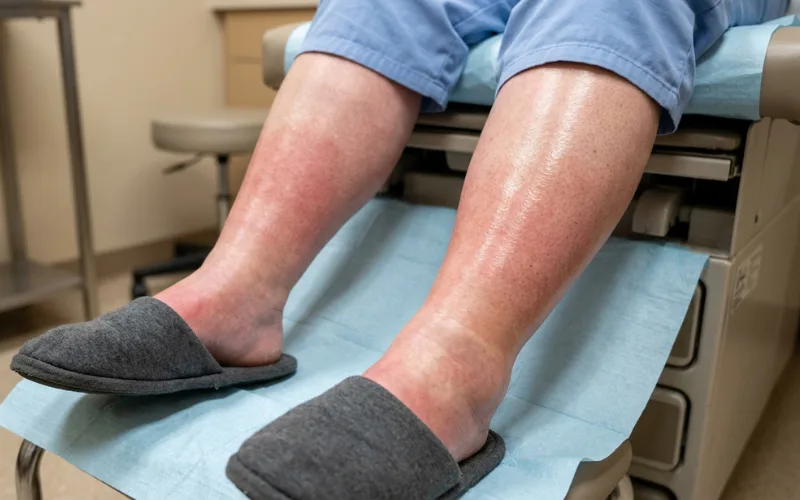
Long-standing leg edema rarely causes death on its own. It causes death by setting off a chain reaction. Common pathways include:
- Cellulitis, a bacterial skin infection that can progress to sepsis if it isn’t caught early
- Venous ulcers that fail to heal and become a portal for infection
- Deep vein thrombosis (DVT), where a clot forms in a leg vein and can break loose and travel to the lungs as a pulmonary embolism. The American Lung Association notes that untreated pulmonary embolism carries roughly a 30 percent mortality rate.
- Lipodermatosclerosis, a hardening of the skin that signals end-stage venous disease
Skin that is shiny, stretched, weeping fluid, or showing the brownish discoloration called hemosiderin staining should be evaluated by a vascular specialist or a wound care clinician. Don’t wait for it to “calm down.”
What Is the Number One Cause of Edema?
In adults, heart failure is the most common serious cause of edema, especially in people over 65. When the heart can’t pump well enough, blood backs up in the veins, pressure rises, and fluid leaks into surrounding tissue. The American Heart Association estimates that more than 6.7 million Americans aged 20 and over live with heart failure, and visible swelling is one of its hallmark signs.
The picture shifts depending on where you ask. In hospitals, heart failure leads. In outpatient clinics, the answer is more varied:
| Setting / Population | Most Common Cause |
| Hospitalized older adults | Heart failure |
| Outpatient adults with chronic leg swelling | Chronic venous insufficiency |
| Pregnant women in the third trimester | Normal pregnancy fluid retention |
| Cancer survivors after surgery or radiation | Lymphedema |
| Patients on calcium channel blockers, NSAIDs, or steroids | Drug-induced edema |
| Adults with protein in the urine | Kidney disease, often nephrotic syndrome |
| Adults with abdominal swelling and yellowing skin | Liver cirrhosis |
A few quick rules of thumb. Sudden, severe, or one-sided swelling tends to be more serious. Gradual, symmetric swelling that gets better overnight usually points to chronic venous insufficiency or simple gravitational pooling. Swelling that started after a new medication is worth a phone call to whoever prescribed it.
What Stage of Heart Failure Causes Edema?
Visible edema usually shows up in the later stages of heart failure. In the ACC/AHA staging system, that’s Stage C (symptomatic) and Stage D (advanced), which line up with NYHA Class II to IV when you look at how much the symptoms limit a patient’s daily life.
| ACC/AHA Stage | Description | Typical Edema Pattern |
| Stage A | High risk for heart failure, no structural disease, no symptoms | None |
| Stage B | Structural disease (such as a prior heart attack), no symptoms yet | Usually none |
| Stage C | Structural disease with prior or current symptoms | Mild to moderate ankle and leg swelling, weight gain, breathlessness on exertion |
| Stage D | Advanced disease that needs specialized care | Severe leg swelling, abdominal ascites, possible pulmonary edema, weight gain over 2 to 3 lb in a day |
The NYHA functional classes layer symptom severity on top:
- NYHA I. No real limitation. Edema is rare.
- NYHA II. Mild limitation. Some edema, often after exertion.
- NYHA III. Marked limitation. Edema is usually persistent.
- NYHA IV. Symptoms at rest. Edema is severe and often hard to control. Pulmonary congestion is common.
A jump in weight of 2 to 3 pounds overnight, or 5 pounds in a week, is one of the earliest signs that heart failure is slipping out of control. That’s why cardiologists tell patients to weigh themselves daily. The scale picks up fluid before the swelling does.
Pitting Edema Grades: What 1+ to 4+ Mean
If you’ve been examined for swollen ankles, your clinician probably pressed a thumb against your shin and counted seconds. That’s the pitting edema scale. It’s a quick way to communicate severity in a chart.
| Grade | Indentation Depth | Time to Rebound | Clinical Meaning |
| 1+ | About 2 mm (slight) | Rebounds immediately | Mild. Often early or mild fluid retention. |
| 2+ | 3 to 4 mm | Rebounds in roughly 15 seconds | Mild to moderate. Worth investigating. |
| 3+ | 5 to 6 mm (deep) | Rebounds in 30 seconds to 1 minute | Moderate to severe. Usually points to a systemic cause. |
| 4+ | 8 mm or more (very deep) | Pit lasts 2 minutes or longer | Severe. Often advanced organ disease or major fluid overload. |
A 3+ or 4+ rating is rarely an isolated finding. It usually shows up alongside fatigue, breathlessness, weight gain, or lab abnormalities, all of which point to something systemic that needs prompt evaluation.
What Is End-Stage Edema?

End-stage edema isn’t a formal diagnosis. It’s the term clinicians and hospice teams use for the severe, often weeping swelling that develops in the last weeks or months of life, particularly in patients with advanced heart failure, end-stage renal disease, advanced cancer, or terminal liver disease.
By that point, the body’s circulatory and lymphatic systems can’t keep up with fluid balance. The skin gets stretched so thin that fluid seeps through it, which is called weeping edema or lymphorrhea. Wounds heal poorly. Infections become harder to control. Patients are often deeply fatigued and short of breath, with reduced mobility.
For families navigating this stage, the goal of care often shifts from cure to comfort. That can include:
- Gentle skin care to prevent breakdown and infection
- Absorbent dressings for areas that are leaking fluid
- Careful repositioning to relieve pressure
- Pain and breathlessness management
- Honest conversations about prognosis
If a loved one’s edema is getting worse fast and they’re already seriously ill, asking the medical team about palliative care or hospice is reasonable. Hospice doesn’t mean giving up. It means redirecting care toward comfort and quality of life.
Warning Signs: When Edema Becomes a Medical Emergency
Most edema is annoying, not urgent. But certain combinations of symptoms mean you should call 911 or go to the nearest emergency room right away.
Red Flag Emergencies (Do Not Wait):
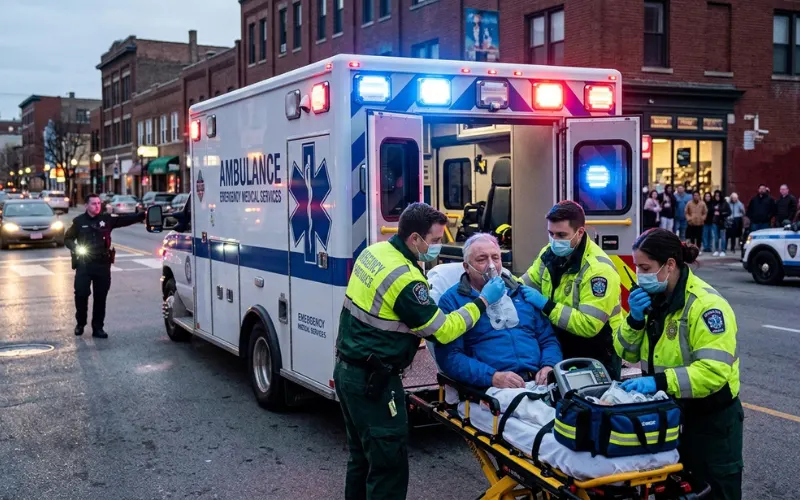
- Sudden severe shortness of breath, especially when lying flat
- Chest pain or tightness
- Coughing up pink, frothy, or blood-tinged sputum
- Sudden confusion, severe headache, vision changes, or weakness on one side of the body
- Sudden swelling in only one leg, especially with calf pain or warmth (possible DVT)
- Skin that is hot, red, painful, and spreading fast (possible cellulitis)
- High fever along with widespread swelling
- Severe abdominal swelling with pain, vomiting, or jaundice
- Same-day evaluation at urgent care or your primary care office is reasonable for:
- New swelling that doesn’t improve with overnight elevation
- Significant unexplained weight gain (more than 3 pounds in a few days)
- Skin that is shiny, stretched, or starting to weep
- Edema in someone with known heart, kidney, or liver disease
- Edema that started after a new medication
How to Get Rid of Edema Quickly

For mild, non-emergency swelling, several things can reduce fluid within hours to days. None of these replace seeing a clinician, especially for new or worsening swelling.
- Elevate the affected limb above the level of your heart for about 30 minutes, three or four times a day. Gravity does most of the work.
- Cut back on sodium. The American Heart Association recommends no more than 2,300 mg per day for most adults, and closer to 1,500 mg for people with hypertension or heart failure. Read labels. Sodium hides in bread, deli meat, canned soup, sauces, and almost anything from a restaurant.
- Move regularly. Calf muscle contractions pump fluid back toward the heart. Walking, ankle pumps, and seated leg raises all help. Avoid sitting or standing in one position for long stretches.
- Wear properly fitted compression stockings. Graduated compression at 15 to 20 mmHg works for mild cases. 20 to 30 mmHg is a step up for moderate cases. Put them on first thing in the morning, before swelling builds.
- Stay hydrated. This feels counterintuitive. But dehydration triggers your body to hang onto fluid. Aim for clear or pale yellow urine.
- Massage the swollen area gently in the direction of the heart. Trained therapists call this manual lymphatic drainage and can teach you the technique for chronic cases.
- Review your medications with your doctor. Calcium channel blockers (especially amlodipine), NSAIDs (ibuprofen, naproxen), corticosteroids, and some diabetes medications commonly cause swelling. Don’t stop anything on your own. Your prescriber can usually swap in an alternative if needed.
- Take prescribed diuretics as directed. Furosemide, bumetanide, and hydrochlorothiazide remove extra fluid through urine. They work best alongside sodium restriction.
If you’ve been doing all of this for two or three days and the swelling is no better, or worse, that’s the cue to see a clinician. Don’t push harder on home remedies.
How Is Edema Diagnosed?
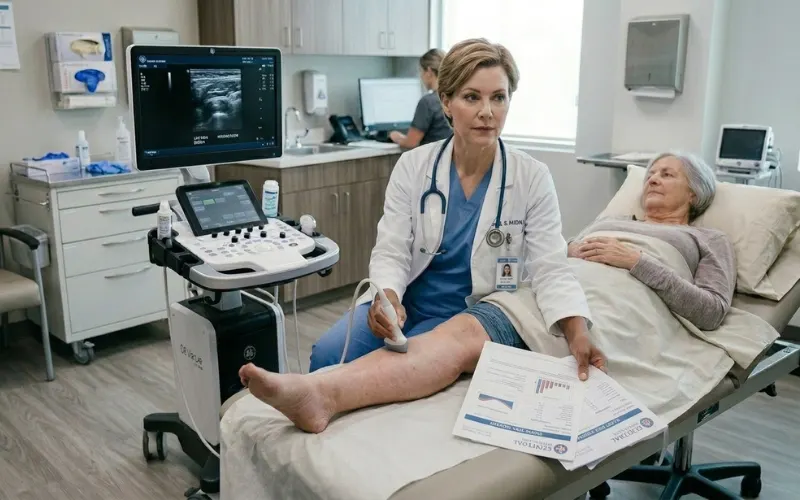
A clinician will start with a physical exam and a careful history. When did the swelling start? What makes it better or worse? What medications are you on? Do you have known heart, kidney, or liver problems? Any other symptoms?
From there, common tests include:
- Blood tests: complete blood count, kidney function (creatinine, BUN), liver function, albumin, electrolytes, and BNP or NT-proBNP, which is a marker of heart failure
- Urinalysis to check for protein in the urine, which suggests kidney disease
- Echocardiogram, an ultrasound of the heart that shows pumping function and structure
- Doppler ultrasound of the legs to rule out DVT and assess venous insufficiency
- Chest X-ray or CT to look for pulmonary edema or fluid around the lungs
- Lymphoscintigraphy when lymphedema is suspected
The specific workup depends on which underlying cause your clinician is most worried about, based on your history and exam.
Treatment: Beyond Just Reducing the Swelling
Effective treatment depends on identifying and managing the cause. Here’s a short summary by underlying condition:
| Underlying Cause | Primary Treatment Focus |
| Heart failure | Diuretics, ACE inhibitors / ARBs / ARNIs, beta-blockers, SGLT2 inhibitors, sodium and fluid restriction |
| Chronic venous insufficiency | Compression stockings, elevation, weight loss, sometimes vein ablation procedures |
| Lymphedema | Manual lymphatic drainage, compression garments, pneumatic compression devices, exercise |
| Kidney disease | Treating the underlying renal condition, dietary protein and sodium adjustments, dialysis when needed |
| Liver cirrhosis | Sodium restriction, diuretics (often spironolactone), paracentesis for ascites, treating the underlying liver disease |
| Drug-induced | Switching the offending medication when feasible |
| Idiopathic (no clear cause) | Compression, exercise, elevation, occasionally low-dose diuretics |
For chronic cases, a team approach often works best. Your primary care physician usually coordinates with a cardiologist, nephrologist, vascular specialist, or lymphedema therapist as the situation calls for.
Frequently Asked Questions(FAQ’s)
Can edema be cured?
Some kinds. Swelling from a temporary medication, an allergic reaction, or pregnancy usually goes away once the trigger is gone. Chronic edema from heart failure, kidney disease, or lymphedema typically can’t be fully cured, but it can be managed for years with the right combination of medications, lifestyle changes, and compression therapy.
Will edema go away on its own?
Sometimes. A long flight, a salty meal, or a hot afternoon can cause swelling that resolves overnight with rest and elevation. Edema that lasts more than a few days, keeps coming back without an obvious trigger, or shows up alongside other symptoms is unlikely to clear without addressing the cause.
Does edema cause itching?
Yes. Stretched skin loses moisture and elasticity, and that itches. Severe or chronic edema can also cause stasis dermatitis, with redness, scaling, and intense itch on the lower legs. Try not to scratch. It breaks the skin and lets bacteria in. Moisturizing creams help, but the real fix is treating the underlying cause.
Is weeping edema serious?
Always. When fluid is leaking through stretched or broken skin, the swelling has reached a point where infection risk goes up sharply. Cellulitis and ulcers are common in this setting. In older patients with multiple chronic illnesses, weeping edema can also signal end-stage disease. Anyone with weeping edema should be seen quickly, both for wound care and a fresh look at the underlying problem.
What’s the difference between edema and lymphedema?
Edema is the umbrella term for any tissue swelling caused by extra fluid. Lymphedema is one specific form, caused by damage to or dysfunction of the lymphatic system. It’s most often the result of cancer surgery, radiation, infection, or an inherited condition. Lymphedema tends to be more localized, harder to manage, and progresses through clinical stages if untreated. A certified lymphedema therapist can make a real difference.
The Bottom Line
Most edema is mild and harmless. Some of it isn’t, and the serious cases don’t always look dramatic at first. The danger lives less in the swelling itself than in what’s causing it.
If your swelling is mild, symmetric, gets better overnight, and you have no other symptoms, simple home measures and a routine checkup are reasonable. If it’s sudden, severe, one-sided, or comes with shortness of breath, chest pain, confusion, or weeping skin, get checked the same day or call 911.
Getting it checked is the easy part. Ignoring a real warning from a struggling heart, lung, kidney, or liver is the part that gets people into trouble.
Read Next: How Your Body Changes Before and After Lymphatic Drainage Massage
