
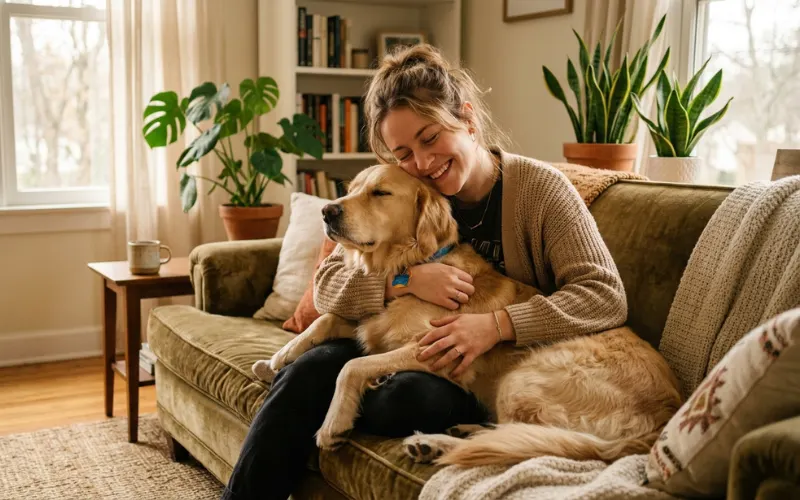
Living with anxiety can make an ordinary day feel much busier inside your head than it looks from the outside. Dogs cannot eliminate anxiety or replace professional care when it is needed, but they can bring several things into daily life that many people find genuinely comforting.
A familiar dog offers companionship without judgment, encourages predictable routines and gives its owner another living creature to focus on and care for. Over months and years, the little rituals shared between dogs and their people can become some of the most reassuring parts of the day.
Dogs Provide Familiar Comfort
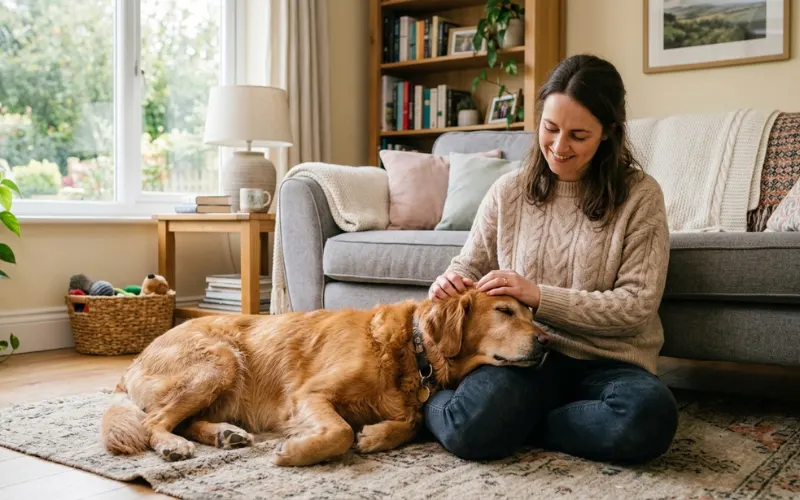
There is real value in familiarity when anxiety makes everything else feel uncertain. Dog owners know the sound of their pet walking down the hallway, the weight of a familiar head resting on their leg and the exact expression that means someone would very much like a bite of dinner.
Positive interactions with dogs have been studied for their potential effects on stress and emotional well-being. Petting a familiar dog, playing together or simply having a dog nearby may help some people feel more relaxed. For owners interested in natural anxiety relief, spending time with a beloved pet can be one enjoyable part of a larger approach that may also include exercise, adequate sleep, supportive relationships and professional care when appropriate.
The relationship itself matters, too. A dog that has lived with someone for years represents familiarity in its purest form. There is no need to impress the dog, explain a difficult mood or pretend the day went better than it did. The dog already knows you and would still like to discuss dinner.
Companionship Can Reduce Isolation
Dogs are remarkably good company. They follow their people from room to room, curl up beside them on the couch and often seem convinced that even mundane household activities require close canine supervision.
That companionship can be especially meaningful for someone who spends a lot of time alone. A dog adds another presence to the house and provides regular opportunities for interaction, affection and play. Walking a dog can also encourage social contact outside the home. Conversations with neighbors and other dog owners often begin naturally because there is already an obvious topic standing at the end of the leash.
Dogs also offer companionship without the social pressures that sometimes accompany human interaction. They do not expect clever conversation or explanations. For someone feeling overwhelmed, sitting beside a trusted dog may provide a welcome opportunity to enjoy company without having to perform socially.
Pets cannot meet every emotional need, but they do not have to. The affection, amusement and companionship they provide have plenty of value on their own.
Dogs Create Predictable Routines
Anxiety can make days feel scattered, while dogs tend to prefer schedules. Breakfast needs to happen. Walks need to happen. Bathroom trips definitely need to happen. Dogs often become so familiar with household routines that being five minutes late can result in a level of staring normally reserved for serious negotiations.
These responsibilities give owners concrete tasks throughout the day. Someone dealing with significant emotional challenges or making major life changes may find familiar routines particularly valuable. In some circumstances, a person receiving residential care might consider pet friendly treatment when comparing appropriate options, although policies differ and many programs cannot accommodate animals.
For most people, the larger benefit appears in everyday life. A dog’s routine encourages its owner to get up, move around, go outdoors and focus on immediate responsibilities. Caring for another living creature can shift attention away from repetitive worries for a while.
Over time, those routines also become shared rituals. A morning walk is no longer simply something the dog requires. It becomes part of how both dog and owner begin the day.
Dogs Encourage Physical Activity
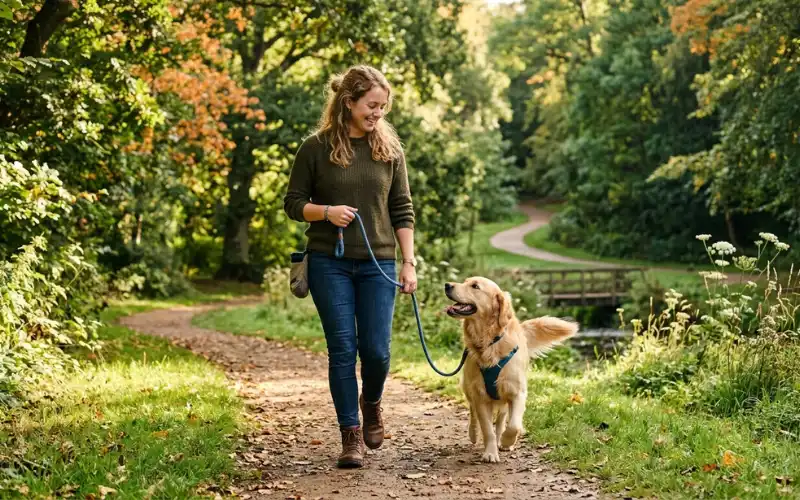
Dogs provide excellent motivation to move because they generally do not accept “I don’t feel like it” as a compelling argument against their walk. Even dogs with modest exercise requirements need regular opportunities to move, explore and spend time outside.
Physical activity can support mental health, and walking provides a simple way to incorporate movement into everyday life. Dog walks also encourage owners to leave the house, experience a change of scenery and direct their attention toward their surroundings.
The benefits are not limited to long hikes or strenuous exercise. A leisurely neighborhood walk, backyard game of fetch or indoor play session can interrupt long stretches of sitting and worrying.
Dogs make the activity feel purposeful because the owner is meeting the dog’s needs at the same time. Instead of exercising solely because it is supposedly good for you, you are taking someone you love on an adventure, even if that adventure consists primarily of inspecting the same fire hydrant as yesterday.
Caring for Dogs Adds Purpose
Dogs depend on their owners for food, safety, veterinary care, exercise, affection and countless smaller needs. That responsibility is significant, but it can also provide a strong sense of purpose.
Caring for a dog gives the day tasks that exist outside a person’s worries. The water bowl needs filling. The coat might need brushing. Someone has misplaced a tennis ball and apparently considers this a household emergency. These responsibilities pull attention toward the present and reinforce the relationship between dog and owner.
No dog should carry the burden of managing a person’s anxiety, and owning a pet is not a substitute for appropriate mental health care. Dogs are companions, not therapists. Yet their role can still be powerful.
The familiar face at the door, the daily walk and the warm body curled up nearby can become meaningful parts of life. For many dog owners, that dependable companionship makes difficult days a little easier to navigate.
Read Next: Mixed hyperlipidemia: what it is, why it matters, and what to do about it
