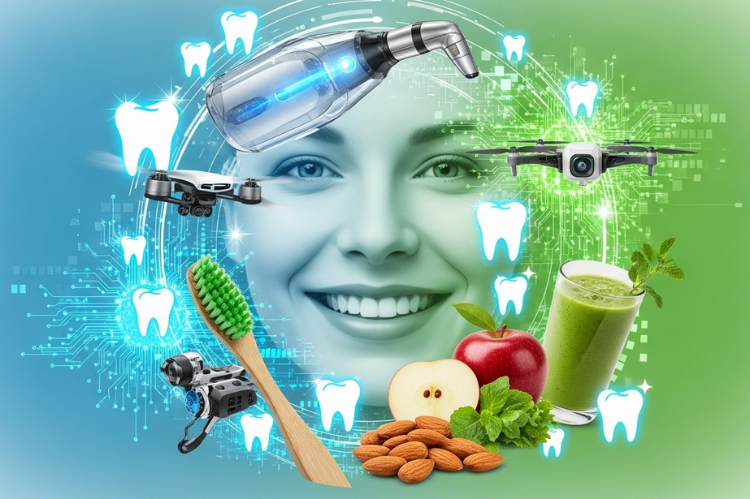
A healthy smile has always been a marker of confidence, but the way people care for their teeth is shifting fast. What used to be about twice-daily brushing and an occasional whitening strip now includes everything from bioactive toothpaste to high-tech aligners. Dentistry is meeting wellness culture head-on, and the result is a surge of trends that blur the line between cosmetic and preventive care. Some are rooted in decades of research, others are freshly minted, but all reflect a growing awareness that oral health is inseparable from overall health.
Nutrition Steps Into the Spotlight
One of the clearest shifts is the growing focus on food as an oral health tool. For years, conversations about cavities and gum health centered mostly on brushing, flossing, and regular dental visits. Lately, the spotlight has expanded to what’s on the plate. Discussions about how diet affects oral health are becoming mainstream, pointing to connections between nutrient intake, gum inflammation, and enamel strength. Calcium and vitamin D are still essential for strong teeth, but newer attention is being paid to antioxidants, fiber, and even omega-3 fatty acids.
A diet that stabilizes blood sugar and avoids prolonged acid exposure from constant snacking is now being tied to fewer cavities and less gum disease. This nutrition-driven perspective doesn’t replace brushing or flossing, but it suggests that what happens at the table is just as important as what happens at the bathroom sink.
The Rise Of Preventive Dentistry
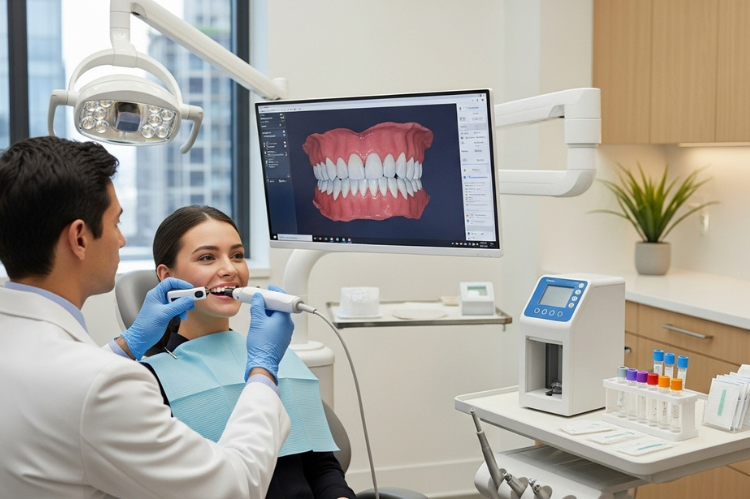
Dentists aren’t waiting until something goes wrong anymore, and patients are on board. Preventive dentistry has become more than twice-yearly checkups. Saliva testing for bacterial balance, microchip-like sensors in retainers, and personalized risk assessments are all part of a bigger trend: stopping decay and gum disease before they take hold. Some practices are leaning into data-driven care, using digital scans to track minute changes in enamel wear over time.
The idea is to treat oral health more like cardiovascular health, where early detection and lifestyle management can delay or prevent major interventions. For patients, this shift can mean fewer surprises and a stronger sense of control over long-term dental outcomes.
Natural Care Gets A High-Tech Upgrade
The natural toothpaste market once meant minty gels without fluoride, often criticized for doing little more than freshening breath. That landscape has changed dramatically. The spotlight is now on clean toothpaste with nano-hydroxyapatite, a mineral-based compound that is believed to bond to teeth and is being studied as a potential alternative to fluoride.
It’s part of a wider movement toward “clean” oral care, where the focus is geared more towards wellness. This doesn’t signal the end of fluoride, which still dominates in conventional dentistry, but it does show that patients are demanding more options. Technology and natural care are intersecting in ways that weren’t possible a decade ago.
Cosmetic Treatments Without The Downtime
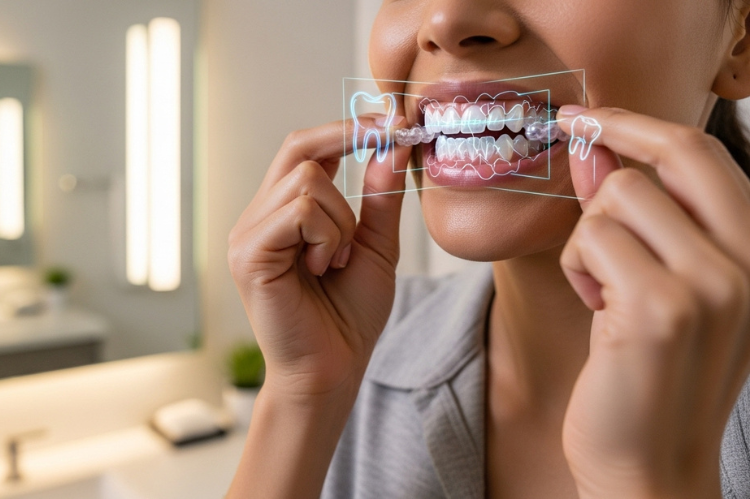
Cosmetic dentistry isn’t new, but its accessibility is. Whitening treatments have become faster, less abrasive, and more affordable. Orthodontics has shifted from bulky brackets to nearly invisible aligners that people can swap at home. Bonding techniques allow for subtle reshaping without shaving down healthy enamel. What’s notable is how these cosmetic upgrades now pair with function.
Aligners not only straighten teeth for a nicer smile but can also improve bite alignment and reduce strain on the jaw. Patients are no longer choosing between looking better and feeling better. Cosmetic and clinical dentistry are aligning in ways that suggest a healthier smile doesn’t have to come at a biological cost.
The Role Of Microbiome Science
Gut health has had its spotlight for years, and now oral microbiome research is following close behind. The mouth isn’t just home to plaque-causing bacteria, it’s a whole ecosystem, and balance appears to be the key. Products claiming to support oral microbiome balance are making their way onto shelves, from probiotic lozenges to mouth rinses that avoid alcohol.
Researchers are exploring how oral bacteria may influence not only cavities and gum disease but also systemic conditions ranging from diabetes to cardiovascular health. It’s too early to draw hard conclusions, but the shift is clear: people are beginning to think of their mouth less as a battlefield of “bad bacteria” and more as a community that needs balance.
Technology In The Dentist’s Chair
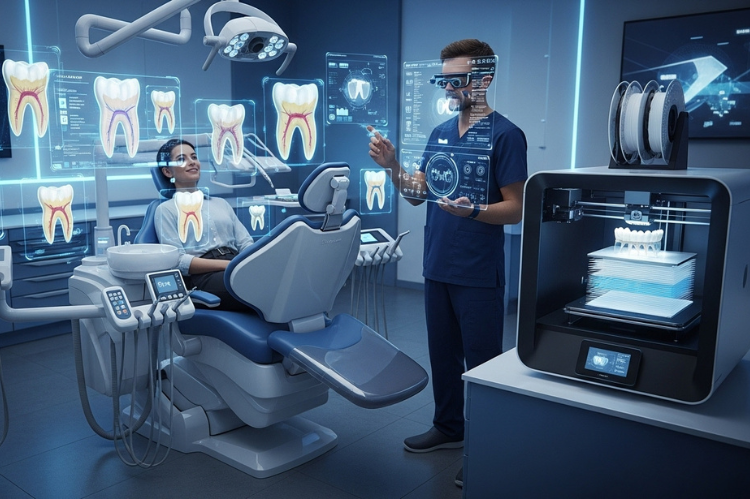
Dental offices are transforming into high-tech spaces that look more like wellness studios than medical clinics. Digital scanners have largely replaced traditional molds, sparing patients the discomfort of plaster impressions. 3D printing is enabling same-day crowns and custom trays. Some practices are experimenting with augmented reality tools that help patients visualize orthodontic outcomes before treatment even begins.
Beyond comfort and convenience, technology is streamlining accuracy. Treatments that once took multiple visits can now be completed in hours. That speed appeals to patients, but it also reflects a deeper cultural trend: healthcare that feels immediate, personalized, and integrated into daily life rather than disruptive.
Sustainability Reaches Oral Care
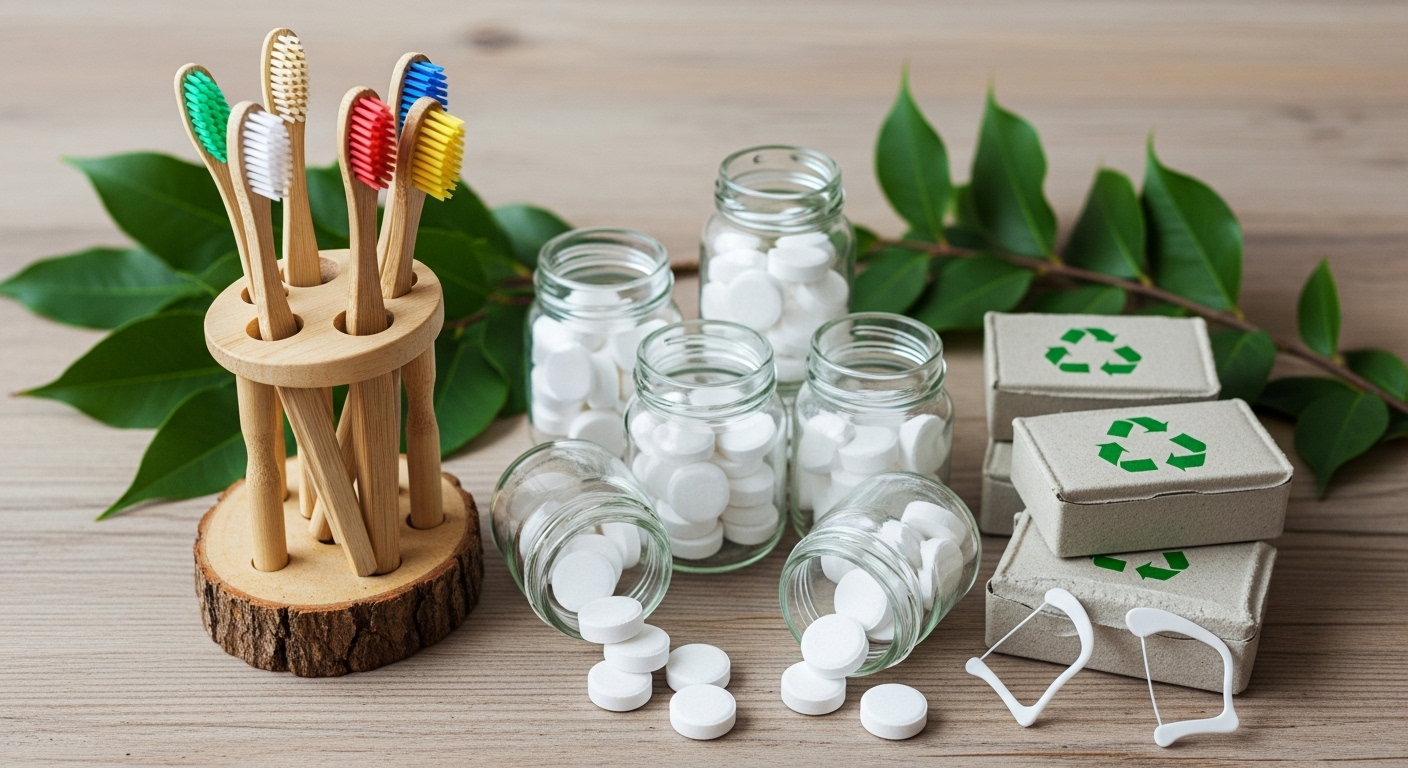
Sustainability is no longer just a buzzword for grocery shoppers or fashion brands. Oral care companies are rethinking everything from toothbrush handles to floss containers. Biodegradable bristles, refillable toothpaste tablets, and recyclable packaging are all part of a wider effort to cut down on plastic waste. For patients who care about health and the planet in equal measure, these small swaps carry weight.
Dentists are also taking notice, with some offices going paperless or adopting eco-friendly sterilization practices. While sustainability alone won’t improve dental health, it reflects a cultural shift toward viewing oral care as part of a bigger picture of wellness and responsibility.
Bringing It All Together
The future of oral health is less about one silver-bullet product and more about an ecosystem of habits, tools, and perspectives that support lasting wellness. Food choices, microbiome awareness, advanced technology, and sustainability are each shaping a landscape where the smile becomes not just a cosmetic marker but a reflection of overall health priorities. As the lines blur between cosmetic, preventive, and natural care, dentistry is moving closer to everyday wellness culture. That’s not just a trend, it’s a transformation in how people view their teeth, their health, and the connection between the two.
Read Next: Day by Day IPL Healing Stages: A complete Guide to IPL Recovery
