I remember my first week working alongside Dr. Martinez back in 2009. A patient came in with severely drooped eyelids after getting botox from an unlicensed provider who had no clue about botox danger zones. It was a wake-up call that changed how I approach every single injection.
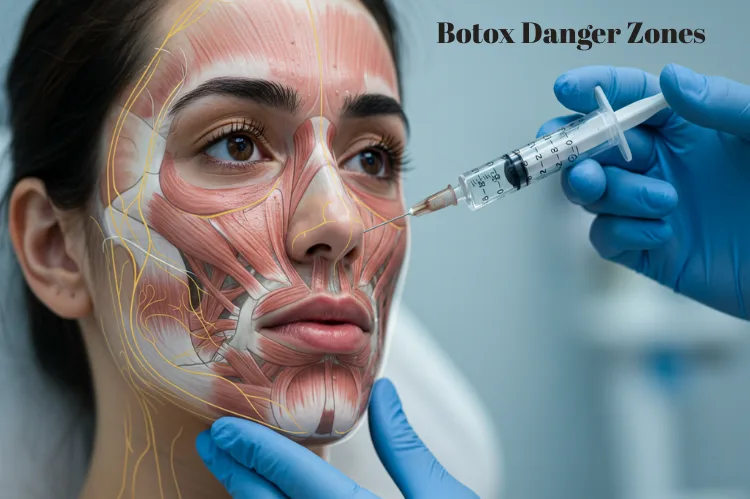
Botox danger zones aren’t just medical jargon, they’re specific facial areas where improper injection can lead to serious complications. These botox injection sites to avoid include regions with complex muscle interactions, major nerve pathways, and delicate tissue structures.
The most critical botox danger zones include:
- Areas near the orbital rim where eyelid function can be compromised
- The lower face region affecting speech and eating functions
- Injection points too close to the eyebrow elevator muscles
- Sites near major facial nerves controlling expression
The Forehead Danger Zone: Why You Should Think Twice
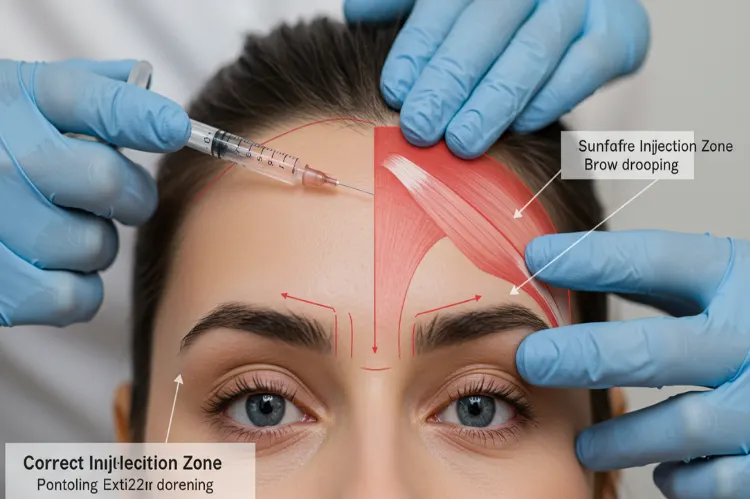
Here’s something that still makes my stomach turn. Last year, I saw a 34-year-old teacher who couldn’t raise her eyebrows for three months because someone injected too close to her frontalis muscle insertion points. This is exactly where not to inject botox on the forehead.
Where not to inject botox forehead areas specifically include the lateral aspects above the brow bone and any point lower than 2 cm above the eyebrow. I’ve seen too many cases of heavy eyebrows after botox when injectors ignore these boundaries.
The reasons not to get botox on forehead from inexperienced providers include:
- Risk of brow ptosis (drooping eyebrows)
- Uneven eyebrow positioning
- Difficulty expressing emotions naturally
- Potential for asymmetrical results
When patients ask about how many units of botox for forehead, I always explain that proper placement matters more than quantity. Even the perfect dosage can cause problems if placed in botox danger zones.
Between the Brows: The Glabella Risk Zone

The area between the eyebrows might seem straightforward, but it’s actually one of the trickiest botox danger zones. I learned this during my residency when I watched a seasoned injector spend twenty minutes mapping injection points for botox for 11 lines.
Where not to inject botox in the glabella includes points too close to the orbital rim and areas where the corrugator muscle overlaps with the frontalis. One wrong move here can affect your entire upper face dynamics.
What makes this area particularly challenging:
- Multiple muscle groups intersect here
- Nerve pathways run close to ideal injection sites
- Over-treatment easily occurs with inexperienced hands
- Results can affect both expression and function
Around the Eyes: Critical Zones That Demand Expertise
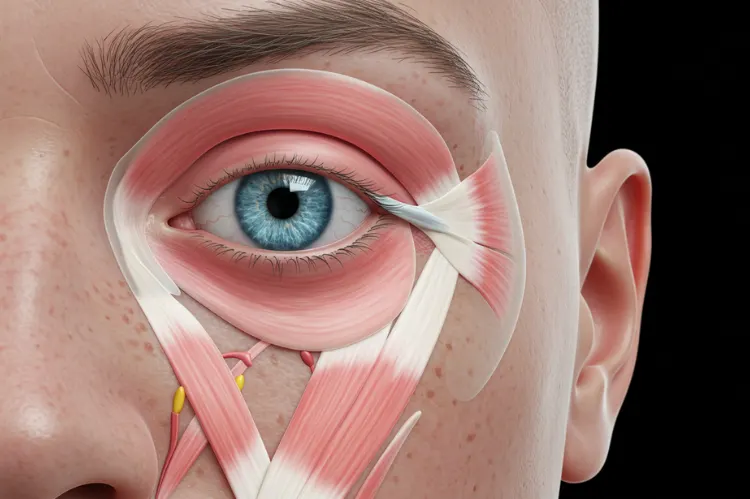
The periorbital area contains some of the most dangerous botox injection sites to avoid. I still get nervous when working around the lower eyelids, even after thousands of procedures.
Botox danger zones around the eyes include:
- Any injection point below the inferior orbital rim
- Areas medial to the pupil when looking straight ahead
- Sites too close to the lacrimal gland
- Injection points affecting the orbicularis oculi muscle’s medial fibers
I once treated a patient whose previous injector had worked too close to her tear ducts. She experienced dry eyes for six months! That’s exactly where not to inject botox if you want to maintain normal eye function.
The Lower Face: High-Risk Territory
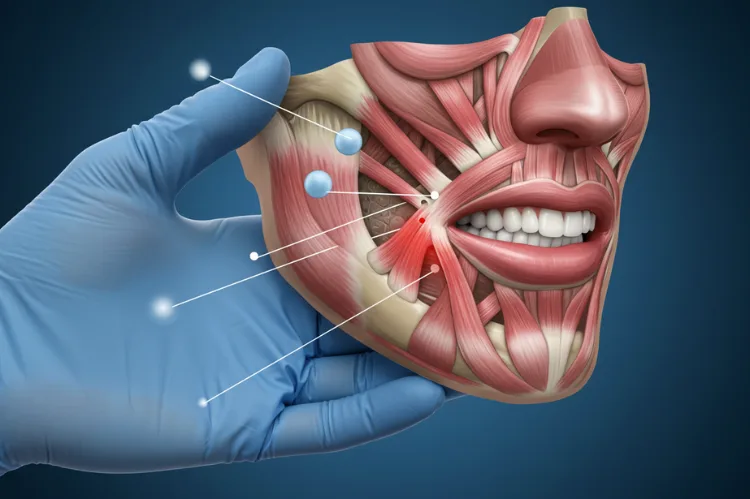
Lower face injections represent the most complex botox danger zones in aesthetic medicine. I typically refer these cases to facial plastic surgeons because the margin for error is practically zero.
Where not to inject botox in the lower face:
- Anywhere affecting the smile muscles directly
- Points that could impact speech articulation
- Areas near the marginal mandibular nerve
- Sites affecting natural lip movement
The reasons not to get botox in these areas from general practitioners include permanent changes to your smile, difficulty speaking clearly, and asymmetrical facial expressions that can last months.
Jaw Area Complications: The Masseter Muscle Challenge
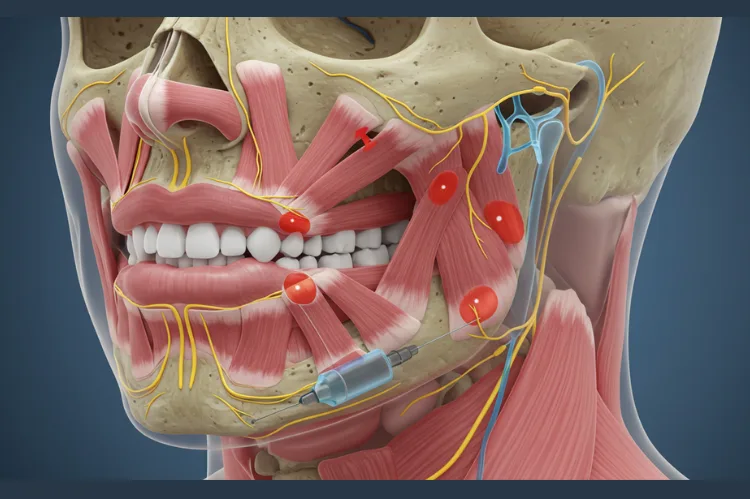
When patients ask about how many units of botox for jowls, I always start with a thorough anatomy lesson. The masseter muscle area contains critical botox danger zones that can affect your ability to chew and speak properly.
I remember treating a food critic who couldn’t properly chew for eight weeks after getting botox from someone who didn’t understand where not to inject botox in the jaw area. It nearly ruined her career!
Botox injection sites to avoid in the jaw include:
- Areas affecting the facial nerve branches
- Points too close to the parotid gland
- Sites that could impact normal jaw function
- Locations affecting your natural bite pattern
Under-Eye Disasters: Why This Zone is Off-Limits
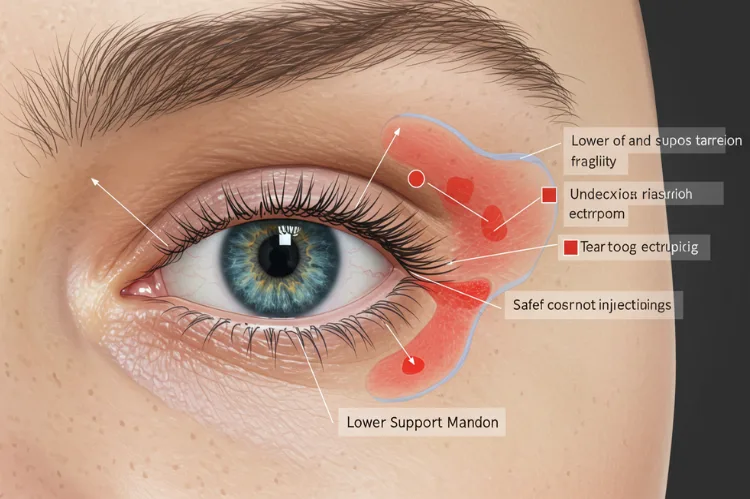
The under-eye area represents one of the absolute botox danger zones that I never touch, regardless of patient requests. The risks simply outweigh any potential benefits.
Where not to inject botox under the eyes:
- Any point on the lower eyelid itself
- Areas affecting the lower eyelid support structures
- Sites near the tear trough region
- Locations that could cause ectropion (eyelid turning outward)
I’ve consulted on cases where patients needed surgical correction after inexperienced injectors worked in these forbidden zones. Don’t let anyone convince you otherwise – this is where not to inject botox, period.
Neck and Décolletage: Extended Danger Territories

The neck contains botox danger zones that many practitioners overlook entirely. I learned about platysmal band complications during my advanced training, and it completely changed my approach to neck treatments.
These areas require understanding of:
- Deep neck muscle anatomy
- Swallowing reflex preservation
- Voice box protection protocols
- Breathing function maintenance
Where not to inject botox in the neck includes any area affecting your swallowing mechanism or vocal cord function.
Red Flags: When Your Injector Doesn’t Know the Danger Zones

After fifteen years in this field, I can spot risky practitioners from a mile away. Here are warning signs that someone doesn’t understand botox danger zones:
They can’t explain exactly where not to inject botox and why. Any qualified injector should spend time educating you about botox injection sites to avoid before touching your face.
Warning signs include:
- Rushing through consultation without discussing risks
- Unable to show proper anatomical knowledge
- Offering treatments in areas they should avoid
- Not asking about your medical history thoroughly
- Promising unrealistic results
Safe Injection Protocols: How Experts Navigate Danger Zones
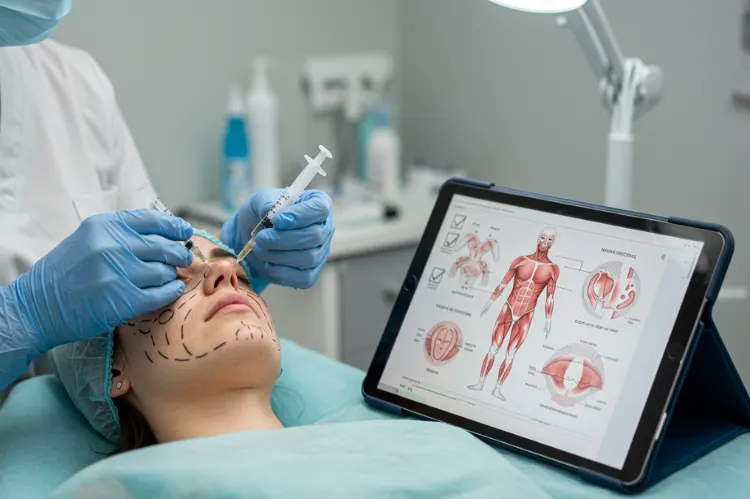
Professional injectors follow strict protocols to avoid botox danger zones. I personally use a systematic approach that’s taken me fifteen years to perfect.
My safety checklist includes:
- Detailed facial muscle mapping before any injection
- Understanding each patient’s unique anatomy
- Starting with conservative doses in safer areas
- Avoiding botox injection sites to avoid completely
- Planning for natural-looking results that preserve function
When colleagues ask about how many units of botox for forehead or any area, I always emphasize that technique trumps quantity every time.
The Economics of Avoiding Danger Zones
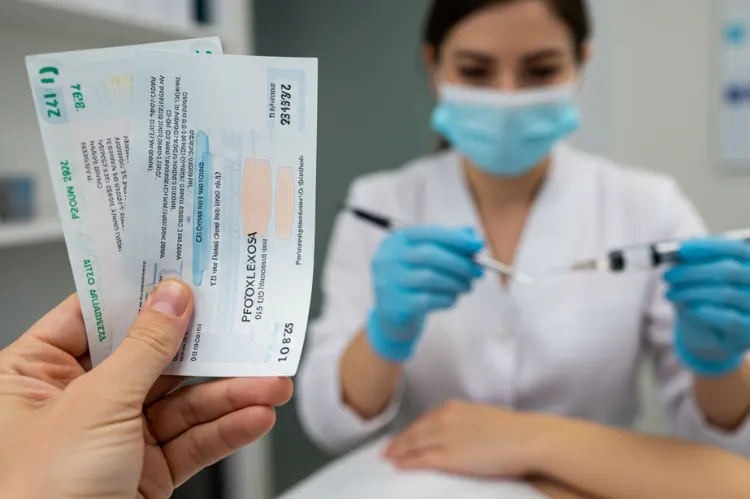
Here’s something most people don’t consider – the cost of fixing botox complications far exceeds the price of doing it right the first time. I’ve seen patients spend thousands trying to correct problems from inexperienced injectors who didn’t respect botox danger zones.
Treatment revision costs typically include:
- Multiple correction appointments
- Potential surgical interventions
- Lost time from work or social activities
- Emotional stress and confidence issues
- Additional treatments to restore normal function
That’s why understanding where not to inject botox isn’t just about safety – it’s about protecting your investment and your appearance long-term.
Finding Qualified Injectors Who Respect Danger Zones

Which brand of botox you use is the least important choice that you will make, a better choice to make will be who to have as your injector of which they are fully aware of what botox danger zones are. I have been training dozens of practitioners throughout the years, and this is what sets the beginners and the experts apart.
Questions to be posed to the potential injectors:
- Can you explain the specific botox danger zones on my face?
- What’s your experience with complications from botox injection sites to avoid?
- How do you handle heavy eyebrows after botox or other side effects?
- What’s your revision policy if problems occur?
A qualified injector will spend time explaining where not to inject botox and why certain areas are off-limits for your specific facial anatomy.
Medical Thoughts
Understanding botox danger zones isn’t just medical knowledge, it’s your protection against potentially life-changing complications. After seeing hundreds of botched procedures over fifteen years, I can’t stress enough how critical it is to choose providers who respect where not to inject botox.
The key takeaway? Although it is impossible not to compromise on knowledge regarding sites to avoid when it comes to botox injections. Be it forehead lines, crow’s feet, or any other part, it is important to ensure that your provider can clarify to you the particular botox danger zones that are applicable to the treatment plan that you are about to pursue. The face and your future self will be grateful to you because of taking these precautions seriously.
