
Did you know that up to 5% of Botox patients experience some degree of heavy eyebrows after botox? I’ll never forget the panic I felt when I looked in the mirror three days after my first Botox treatment and saw what looked like completely different eyebrows staring back at me.
Heavy eyebrows after botox, also known as brow ptosis, is more common than you might think. Whether you’re currently dealing with droopy eyebrows after botox or planning your first treatment, this comprehensive guide covers everything you need to know about causes, prevention, and proven solutions.
What Are Heavy Eyebrows After Botox?
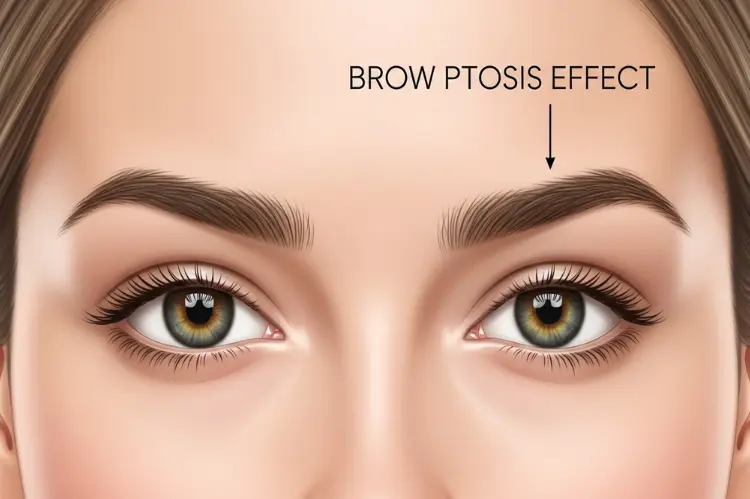
Heavy eyebrows after botox refers to a condition where your eyebrows appear to drop or sag following botulinum toxin injections. The medical term for this is brow ptosis botox, and trust me, it’s as frustrating as it sounds.
When I first experienced this, I described it to my friend as feeling like someone had attached tiny weights to my eyebrows. The heavy brow after botox sensation isn’t just visual – you can actually feel the heaviness above your eyes.
Physical Characteristics of Brow Ptosis
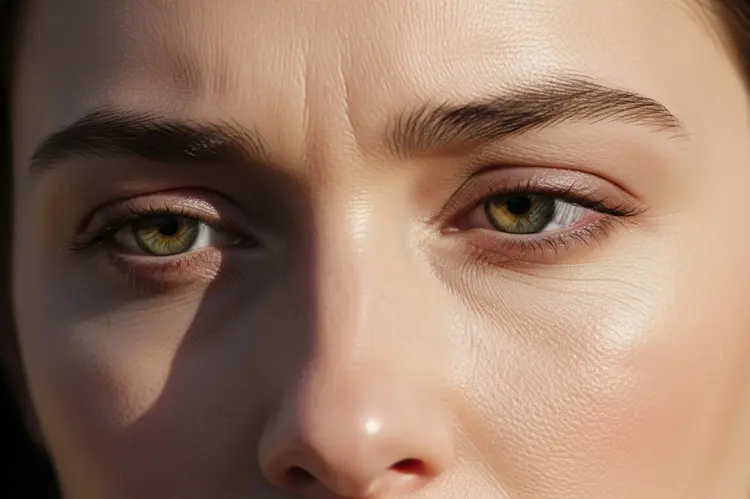
Eyebrow droop after botox typically presents several distinct features. Your eyebrows sit lower than their natural position, creating what looks like hooded eyebrows after botox.
The hooded eyes heavy eyebrows after botox effect makes your upper eyelids appear smaller. You might develop heavy low eyebrows after botox that create an asymmetrical appearance.
Some people experience eyes feel heavy after botox sensation. The most concerning aspect for many patients is how botox eyebrow droop can completely change your facial expression.
The Science Behind Heavy Brows
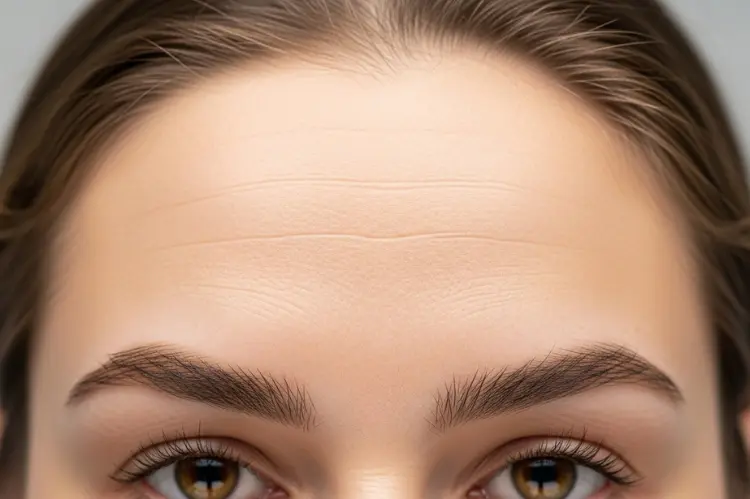
Understanding why heavy eyebrows after botox occur requires knowing how facial muscles work together. Your forehead contains the frontalis muscle, which naturally lifts your eyebrows.
When Botox relaxes this muscle too much or in the wrong areas, it can’t effectively counteract the downward pull of other facial muscles. This imbalance leads to brow drop after botox.
Common Causes of Heavy Eyebrows After Botox
After speaking with several cosmetic surgeons and reviewing medical literature, I’ve identified the primary causes of heavy eyebrows after botox. Understanding these can help you avoid becoming another case of bad botox eyebrows.
1. Injection Placement Issues
The most common cause of botox brow drop is incorrect injection placement. When I researched my own case, I learned that injections placed too low on the forehead can directly affect brow position.
Ptosis heavy eyebrows after botox often occurs when Botox is injected below the mid-pupil line. The injections might be placed too medially or the practitioner doesn’t account for your natural brow shape.
2. Dosage Problems
Heavy forehead after botox can result from using too high a dose. While how many units of botox for forehead varies by individual, over-treatment is a leading cause of complications.
Some practitioners might use excessive units thinking “more is better.” This approach often leads to botox heavy brow situations that could have been avoided.
3. Individual Anatomy Factors
Your unique facial anatomy plays a huge role in whether you’ll develop heavy brows after botox. People with naturally low brows or weak frontalis muscles are more prone to eyebrow ptosis botox complications.
Age also matters since older patients might be more susceptible to droopy eyebrows after botox. As we get older, our skin loses elasticity and muscle tone decreases.
4. Practitioner Experience Level
The experience and skill level of your injector significantly impacts your risk of botox eyebrow lift gone wrong scenarios. Inexperienced practitioners might not understand the complex muscle interactions in your forehead area.
When choosing someone for treatments like botox for 11 lines, their expertise in facial anatomy is crucial. A skilled practitioner will assess your individual muscle patterns before determining injection sites.
Recognizing the Signs and Symptoms
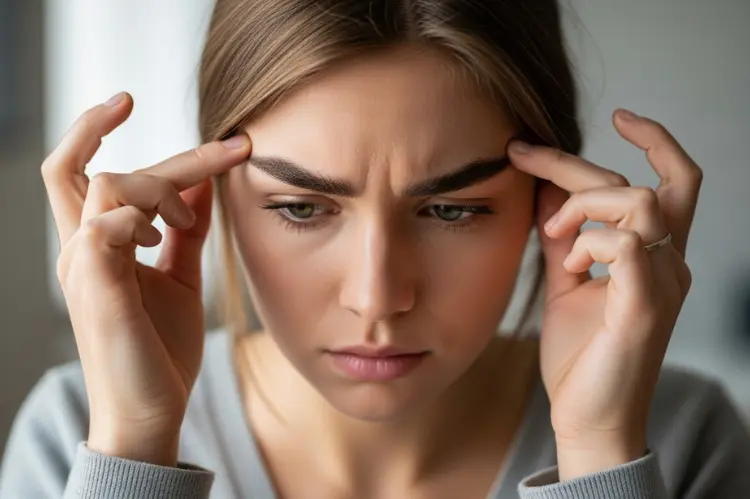
Heavy eyebrows after botox don’t always appear immediately. In my case, I started noticing changes about 48 hours after treatment, but some people don’t see the full effect until 5-7 days post-injection.
Early Warning Signs
The first signs of brow ptosis after botox might be subtle. You might feel a slight heaviness above your eyes or difficulty raising your eyebrows as high as usual.
Your upper eyelids might feel “crowded” or you notice weird eyebrows after botox positioning. These early signs can be easy to miss if you’re not paying attention.
Progressive Symptoms
As the Botox takes full effect, eyebrow droop botox symptoms typically worsen. You’ll see more pronounced brow sagging and hooded eyes heavy eyebrows after botox appearance.
Many patients experience difficulty with eye makeup application. You might notice a perpetually tired or sad facial expression developing.
When to Seek Help
If you notice pictures of eyebrow droop after botox looking similar to your situation, don’t wait. Contact your practitioner immediately if the drooping is severe or getting worse.
Seek help if you’re experiencing vision problems or significant asymmetry. Don’t ignore emotional distress caused by the appearance change.
Prevention Strategies
Preventing heavy eyebrows after botox starts with choosing the right practitioner and having realistic expectations. After my experience, I developed a thorough vetting process that I now share with everyone considering Botox.
Choosing the Right Practitioner
Your injector’s qualifications matter more than their price point. Look for board certification in dermatology or plastic surgery with extensive experience in facial injectables.
Review their before and after photos and ensure they offer thorough consultation processes. During consultations, ask about their experience with complications like botox droopy eyebrow situations.
Pre-Treatment Consultation Essentials
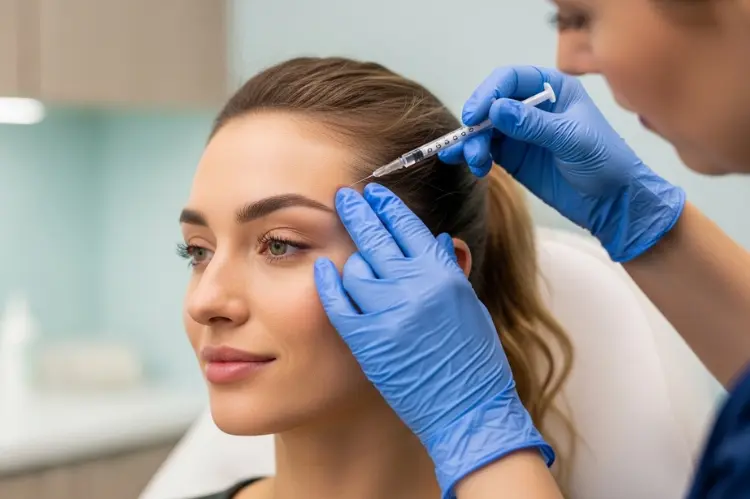
A proper consultation should include detailed medical history review and discussion of your aesthetic goals. Your practitioner should explain potential side effects, including brow ptosis botox.
They should provide a customized treatment plan based on your anatomy. Clear pricing for both initial treatment and potential touch-ups should be discussed upfront.
The “Baby Botox” Approach
Many practitioners now recommend starting with lower doses, especially for first-time patients. This conservative approach reduces the risk of heavy brow after botox while still achieving good results.
The idea is to use just enough Botox to see improvement, then add more if needed. It’s much easier to add more Botox than to correct botox brow lift gone wrong situations.
Treatment and Correction Options
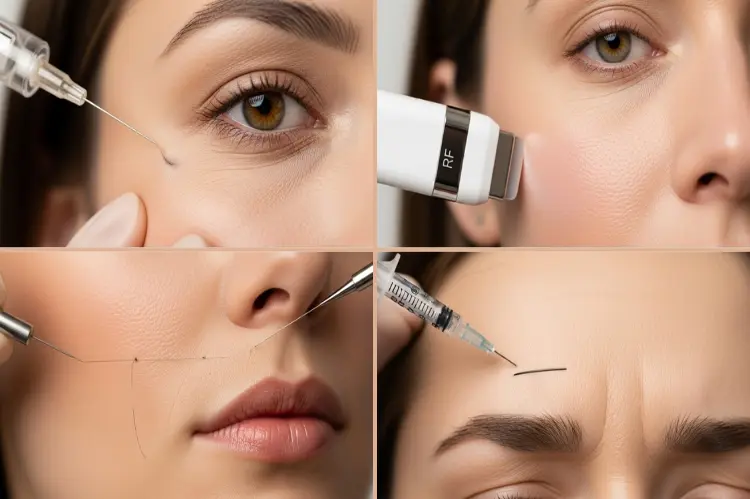
When I faced heavy eyebrows after botox, I was relieved to learn there were several correction options available. The best approach depends on the severity of your botox eyebrow droop and timing since your initial treatment.
Immediate Corrections (First 2 Weeks)
If you catch heavy low eyebrows after botox early, your practitioner might recommend strategic Botox placement. Adding small amounts of Botox to specific muscles can help rebalance your brow position.
Neurotoxin reversal treatments exist but aren’t widely available. Some practitioners use experimental treatments to speed up Botox metabolism, though this approach is still being studied.
Short-Term Solutions (2-12 Weeks)
For persistent botox heavy brow issues, several options can provide temporary relief. Dermal fillers applied in the temples or brow areas can create a lifting effect.
Thread lifts using PDO threads placed in the brow area can provide mechanical lifting. Laser treatments like radiofrequency can tighten the skin around the brows for subtle lifting.
Long-Term Solutions
For severe cases of eyebrow droop after botox that don’t improve with conservative measures, surgical options exist. In extreme cases, a surgical brow lift might be necessary.
Some patients benefit from combining multiple approaches. Strategic Botox with fillers and skin tightening treatments can provide comprehensive correction.
How to Fix Heavy Eyebrows After Botox

How to fix eyebrow droop after botox depends on several factors, including timing, severity, and your individual response. Based on my research and conversations with cosmetic surgeons, here’s a comprehensive approach.
Step 1: Assessment and Communication
Contact your original practitioner immediately, even if you’re considering seeing someone else. Document your concerns with photos and be specific about when you first noticed the heavy eyes after botox.
Explain how the problem has progressed and any functional issues you’re experiencing. Be honest about the emotional impact from the botox dropped brow situation.
Step 2: Conservative Management
Most practitioners start with conservative approaches like waiting and monitoring. Sometimes low eyebrows after botox improve as the product settles and your muscles adapt.
Your practitioner might add small amounts of Botox to opposing muscles. For example, treating areas that require how many units of botox for jowls might help rebalance facial muscle tension.
Step 3: Advanced Corrections
If conservative measures don’t work, strategic placement of dermal fillers can create the illusion of higher brows. Energy-based treatments like radiofrequency can stimulate collagen production and provide subtle tightening.
Thread lifts are temporary but effective for providing mechanical lift to drooping brows. These options can bridge the gap while waiting for natural recovery.
Step 4: Prevention of Future Issues
Once your botox eyebrow lift too high or dropping issue resolves, focus on prevention. Choose experienced practitioners for future treatments and discuss your history of brow ptosis after botox.
Consider starting with lower doses and maintain realistic expectations. Always communicate openly about your previous experiences with potential new providers.
Recovery Timeline and What to Expect
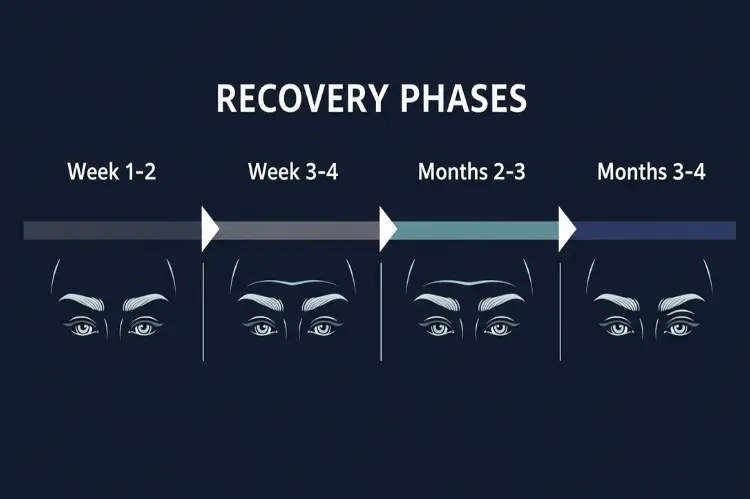
Understanding the recovery timeline for heavy eyebrows after botox helped manage my expectations and reduce anxiety during the healing process. Here’s what most patients can expect throughout their recovery journey.
Week 1-2: Initial Assessment Period
During this time, botox eyebrow droop may still be developing. Don’t panic if things seem to get worse before they get better since your muscles are still responding to the Botox.
Many patients experience the heaviest sensation during this period. Some describe eyes feel heavy after botox as the most noticeable symptom during these early weeks.
Week 3-4: Stabilization Phase
By now, the Botox has reached its peak effect and you’ll see the true extent of any heavy brows after botox. If you haven’t already, this is the time to seek professional assessment.
Any corrective treatments are typically most effective during this window. Your practitioner can better evaluate the situation once the Botox has fully settled.
Month 2-3: Gradual Improvement
Natural recovery from eyebrow ptosis botox usually begins around 6-8 weeks post-injection. You might notice slight improvement in brow position and reduced feeling of heaviness.
Better muscle control starts returning gradually. Many patients also see improved symmetry during this phase of recovery.
Month 3-4: Resolution Phase
Most cases of heavy eyebrows after botox resolve completely by 12-16 weeks as the Botox naturally metabolizes. However, some patients see improvement as early as 10 weeks with proper care.
If you’re still experiencing significant droopy eyebrows after botox after 4 months, consult with a specialist. Additional treatment options may be necessary at this point.
When to Seek Professional Help
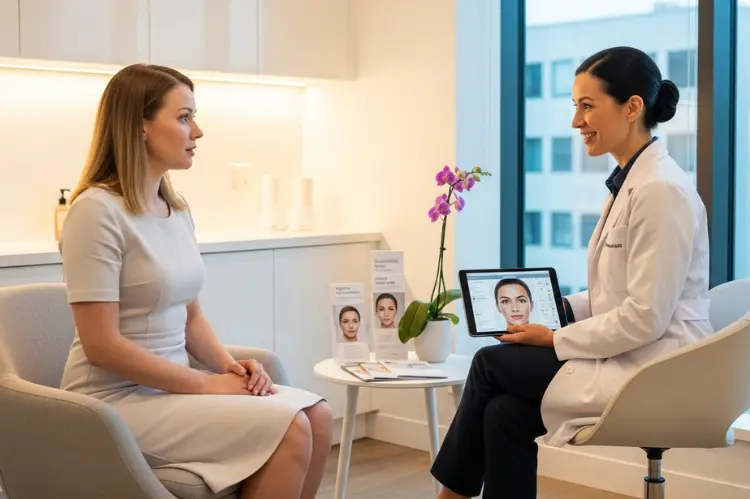
Knowing when to seek help for heavy eyebrows after botox can prevent complications and improve your outcome. Don’t wait if you experience any concerning symptoms that affect your daily life.
Immediate Concerns (First 48 Hours)
Contact your practitioner if you notice severe asymmetry developing or vision changes. Severe headache, eye pain, or any signs of infection at injection sites require immediate attention.
These early warning signs shouldn’t be ignored. Quick intervention can often prevent more serious complications from developing.
Early Warning Signs (Week 1-2)
Reach out for assessment if you experience progressive worsening of brow drop after botox. Difficulty keeping your eyes open or significant functional impairment needs professional evaluation.
Don’t dismiss severe emotional distress from appearance changes. Your mental health and confidence matter just as much as physical symptoms.
Persistent Issues (After Month 1)
Consider seeking a second opinion if your original practitioner dismisses your concerns. The heavy low eyebrows after botox should show some signs of improvement by this point.
If you’re developing additional complications or want to explore advanced correction options, consultation with a specialist is recommended. Don’t suffer in silence when help is available.
Expert Tips for Better Results
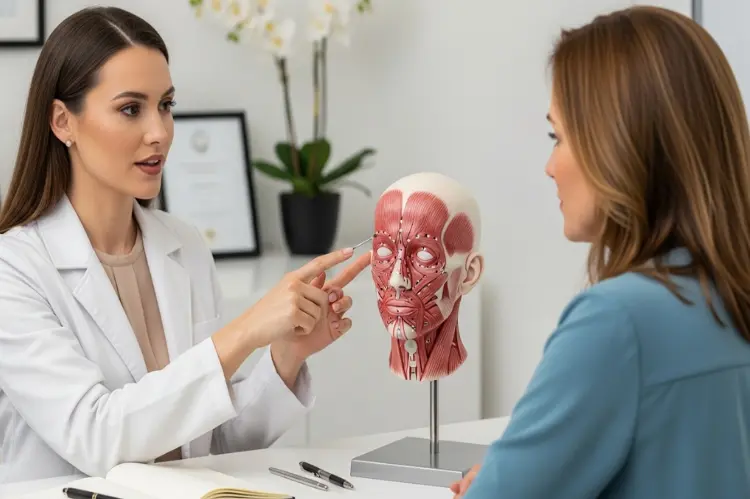
After researching this topic extensively and speaking with multiple cosmetic surgeons, I’ve compiled expert tips that can help you achieve better Botox results. These strategies can help you avoid heavy eyebrows after botox complications.
Before Treatment
Research your provider thoroughly beyond online reviews. Check board certifications, ask about their training, and request to see before/after photos of patients with similar anatomy.
Understand how botox for 11 lines treatments can affect your brow position. Learning these connections helps you make informed decisions about your care.
Be upfront about any previous bad botox eyebrows experiences or concerns. Consider conservative dosing, especially for first-time patients, to reduce complication risks.
During Treatment
Stay relaxed during the procedure since muscle tension can affect placement accuracy. If you feel dizzy, nauseous, or experience unusual sensations during treatment, speak up immediately.
Don’t hesitate to ask about injection sites, units being used, or any concerns. Your practitioner should welcome questions and explain their approach.
After Treatment
Follow post-care instructions carefully, avoiding lying down or exercising vigorously as directed. Take photos daily for the first week to track any development of eyebrow droop after botox.
Be patient and allow 10-14 days for final results before judging the outcome. Maintain communication with your provider about your progress and any concerns that arise.ebrows** experiences or concerns about heavy eyebrows after botox.
During Treatment
- Stay Relaxed: Muscle tension during injection can affect placement accuracy.
- Communicate: If you feel dizzy, nauseous, or experience unusual sensations during treatment, speak up immediately.
- Ask Questions: Don’t hesitate to ask about injection sites, units being used, or any concerns during the procedure.
After Treatment
- Follow Post-Care Instructions: Avoid lying down, exercising vigorously, or massaging the area as directed.
- Monitor Changes: Take photos daily for the first week to track any development of eyebrow droop after botox.
- Be Patient: Allow 10-14 days for final results before judging the outcome.
- Maintain Communication: Keep your provider informed about your progress and any concerns.
Alternative Treatments to Consider
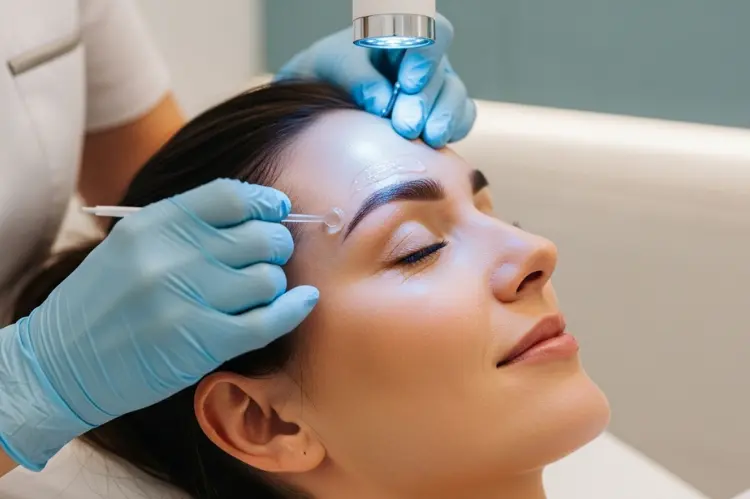
If you’ve experienced heavy eyebrows after botox or want to avoid this risk altogether, several alternative treatments can help achieve similar results:
Non-Neurotoxin Options
Dermal Fillers: Strategic placement of hyaluronic acid fillers can create a brow lift effect without the muscle paralysis that causes brow ptosis botox.
Thread Lifts: PDO or other absorbable threads can provide mechanical lifting of the brow area with minimal downtime.
Radiofrequency Treatments: Technologies like Thermage or Ultherapy use energy to tighten skin and provide subtle lifting.
Surgical Options
For patients wanting permanent results or those who’ve had severe complications:
Endoscopic Brow Lift: A minimally invasive surgical procedure that provides long-lasting brow elevation.
Direct Brow Lift: More intensive surgery that removes skin above the brows for dramatic lifting.
Combination Approaches
Many practitioners now recommend combining treatments for optimal results:
- Light Botox doses with dermal fillers
- Neurotoxin treatments with radiofrequency tightening
- Strategic Botox with thread lifts for enhanced lifting
Long-term Prevention and Maintenance
Preventing future episodes of heavy eyebrows after botox requires ongoing attention and smart treatment planning. Here’s how to maintain good results while avoiding complications:
Developing a Treatment Schedule
Work with your practitioner to develop a maintenance schedule that prevents muscle memory while avoiding over-treatment. Most patients benefit from treatments every 3-4 months, but this varies based on individual metabolism and muscle strength.
Consider timing treatments around important events. Avoid scheduling Botox right before weddings, photos, or other significant occasions where weird eyebrows after botox could be particularly distressing.
Building a Relationship with Your Practitioner
Consistency with your provider allows them to:
- Track your response patterns
- Adjust techniques based on your history
- Identify early signs of complications
- Provide personalized recommendations
Lifestyle Factors
Several lifestyle factors can influence your Botox results:
- Sun Protection: UV damage can affect skin elasticity and treatment outcomes
- Skincare Routine: Proper skincare supports healthy muscle and skin function
- Nutrition: Adequate protein and vitamin intake supports muscle health
- Hydration: Well-hydrated skin responds better to treatments
Conclusion
Heavy eyebrows after botox can be distressing, but understanding the causes and treatment options helps you navigate this challenge successfully. Most complications are preventable with proper technique and experienced practitioners.
If you’re experiencing droopy eyebrows after botox, don’t lose hope – recovery is possible with proper treatment and patience. Share your journey in the comments to help others facing similar challenges feel less alone and more informed.
Read Next: IPL Treatment Costs and Factors That Influence Your Final Cost
