
If your gut has a flair for drama—always bloating, grumbling, or flipping out over nothing—you’re not alone. Irritable Bowel Syndrome, or IBS, can turn the simplest meals into unpredictable roller coasters. One day you’re fine. Next, a slice of toast feels like betrayal. It’s frustrating. And while everyone seems to have advice (drink more water! just relax!),
sometimes your body needs a little more than chamomile tea and wishful thinking. That’s where supplements come in. When used smartly, the right ones can help calm the chaos in your belly without turning your life upside down. Here’s what might actually work if you’ve been silently suffering and scanning labels in the supplement aisle like it’s a guessing game.
Fiber Isn’t Just for Your Grandma’s Prune Juice
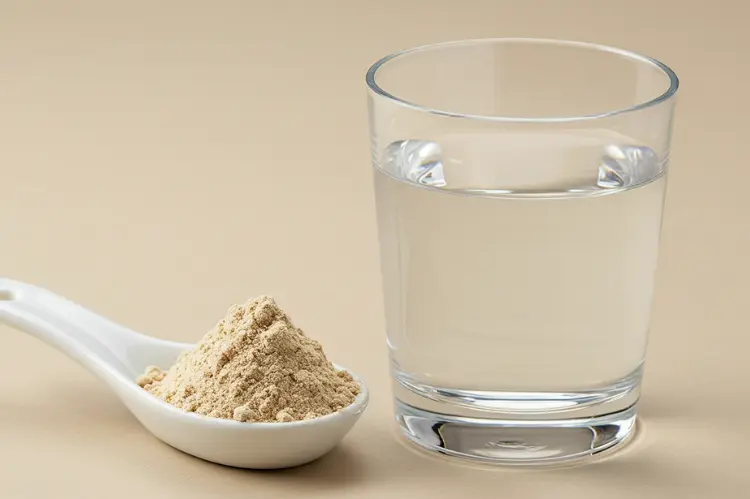
Let’s start with the one everyone thinks they know—fiber. It’s not just for people trying to stay “regular.” With IBS, the kind of fiber you choose matters a lot. Some types can actually make symptoms worse. That chalky powder you mixed into your smoothie last week? Yeah, that might’ve been feeding the bloat monster.
The trick is finding a soluble fiber that doesn’t expand in your gut like a science fair volcano. Soluble fiber helps keep your digestion moving in a smoother, more manageable way. It can help if you lean toward the constipation side of IBS, but it also supports better balance if diarrhea is your main issue. It’s basically the peacekeeper of your intestines, and trust me, your gut needs one.
But here’s the thing—jumping into high doses too fast can backfire. Start low. Go slow. Let your body warm up to it. Think of it like dating again after a breakup: don’t move in on day three.
Probiotics: The Tiny Tenants You Want Living in Your Gut
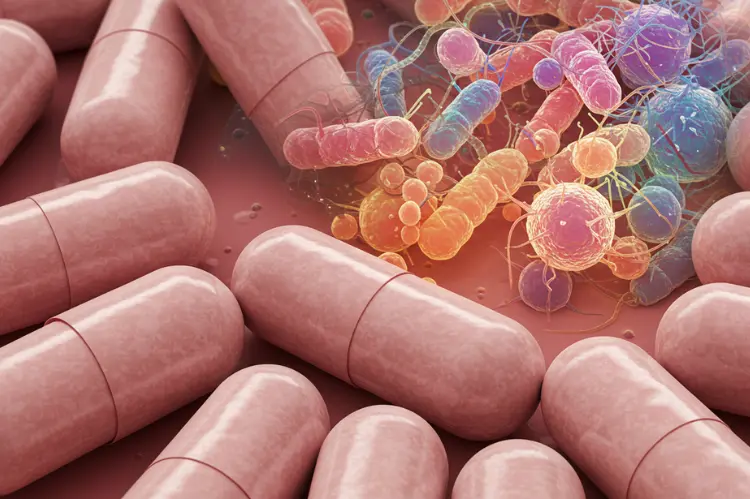
Gut health’s buzziest word these days is “probiotics,” and while they’re everywhere from yogurt ads to dog food, not all are created equal. For people with IBS, the right probiotic can make a noticeable difference. It’s like adding a support team to help your gut do its job without panic attacks.
Certain strains seem to work better than others for IBS-related issues like bloating, pain, and inconsistent bathroom habits. These little bacteria aren’t magical, but they can help restore balance when your gut microbiome is acting like a bad group chat—loud, chaotic, and full of nonsense.
What surprises many people is that probiotics work best when taken consistently. You can’t pop a few and expect miracles by dinner. Give them a few weeks, at least, to start building their holistic health support system. They’re in it for the long game, not a one-night fix.
Peppermint Oil: When You’re Desperate for the Soothing Option
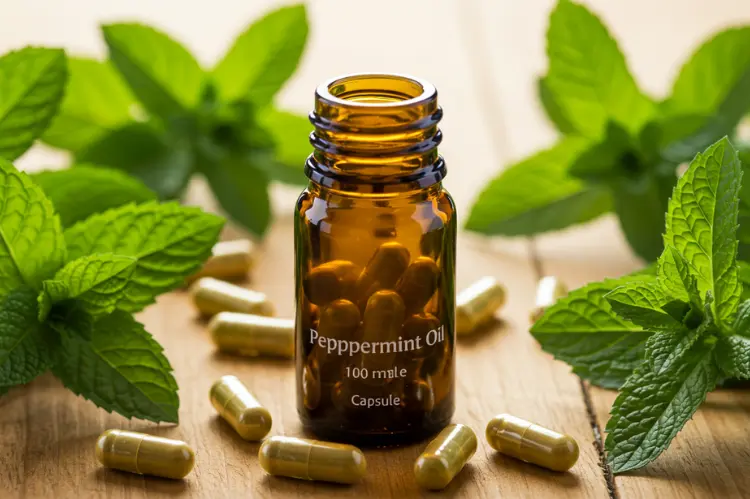
There’s something oddly satisfying about popping a capsule of peppermint oil and feeling your gut just… chill. It sounds too easy, but for some people with IBS, peppermint oil actually does what it promises. It relaxes the muscles in your GI tract, helping to stop spasms that feel like your intestines are trying to tango.
This supplement doesn’t mess around when it works. It’s fast-acting for a lot of people, which is a rare treat in the IBS world where most solutions are slow burns. But don’t take it with heartburn. That’s like putting gasoline on a small fire and then being surprised when it explodes. If you tolerate it well, peppermint oil can be the kind of thing you keep in your bag, car, or nightstand—right next to your phone charger and last shred of patience.
The IBS Supplement No One Talks About Enough
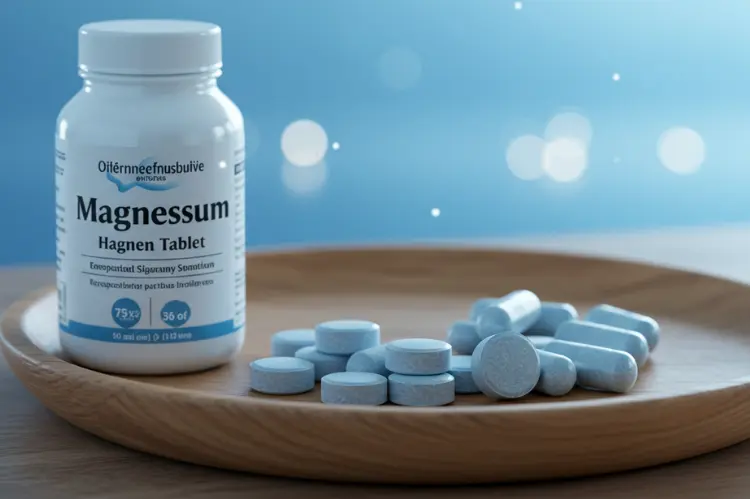
Let’s talk about magnesium. Most people think of it in terms of better sleep or fewer leg cramps, but when it comes to IBS—especially the slow, bloated, everything’s stuck kind—it deserves way more credit. Magnesium supports both nerve and muscle function, which is a fancy way of saying it helps your digestive system chill out and do its job without drama.
Instead of kicking your intestines into high gear, magnesium helps relax the muscles lining your gut. That kind of ease is key when things feel tight, tense, or just… not moving. The result? Less clenching, less cramping, and a smoother, less frustrating path forward. Some forms are better tolerated than others, so it’s worth paying attention to what your body likes best. And yes, there is such a thing as too much—ease into it, don’t cannonball.
Another perk? Many people feel calmer on magnesium, which tracks. It plays a big role in how our nerves fire and how our muscles behave, including that internal knot IBS likes to tie. So if you’re dealing with digestive issues that love to tag-team with stress, this might be one supplement that tackles both ends of the mess.
Digestive Enzymes: The Bouncers of Your Belly
Picture digestive enzymes like the security guards at a concert. Their job is to manage the crowd—your food—and make sure everything gets where it’s supposed to go without drama. If your gut often reacts badly to random meals, enzymes can help break down food more efficiently.
They’re especially useful if you’ve noticed certain types of food feel like they “sit wrong,” but you haven’t been diagnosed with an intolerance. Enzymes can take the edge off those reactions and give your gut a better shot at processing things smoothly.
But heads up: these aren’t a free pass to eat junk and expect zero consequences. They’re more of a backup support system than a cure. Still, on days when your stomach feels especially sensitive or you’re eating something iffy at a restaurant because you’re tired of being the “weird eater,” enzymes can offer a little bit of peace.
Final Thought Before You Toss Everything Into Your Cart

Supplements can help, but they’re not miracle workers. Think of them as tools, not magic. If one doesn’t work for you, don’t panic. Every IBS body is weird in its own special way. What brings comfort to one person might make another feel like a balloon animal.
Try things out slowly. Track what seems to help. And most of all, be kind to yourself. Living with IBS means learning how to listen to your body instead of constantly fighting it. And some days, that might look like finding the right capsule, taking a deep breath, and just letting your stomach have the support it needs to stop freaking out.
Read Next: How CBD Enhances Athletic Recovery and Performance
